
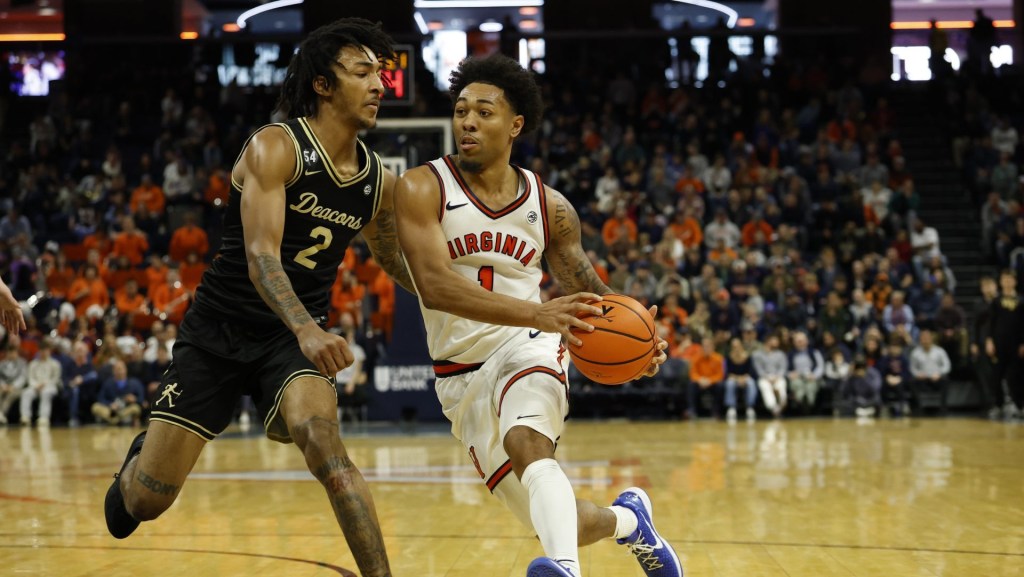
The NCAA remains opposed to prediction markets, but Kalshi users can’t stop putting money on men’s college basketball as March Madness approaches.
In February, $2.27 billion was traded across men’s college basketball games, according to a Kalshi spokesperson. That’s higher than the NFL, which saw $1.8 billion in trading volume during the month in which the Seahawks defeated the Patriots 29–13 in Super Bowl LX. The NBA also had plenty of trading volume, with $1.74 billion put on games in the shortest month of the year.
The popularity of men’s college basketball creates a point of tension. As of Friday morning, Kalshi still had a “March Madness Prediction Markets” page despite the NCAA saying last month that the use of the phrase “March Madness” is a “misrepresentation of any NCAA involvement, and we have requested immediate removal of NCAA trademark” as first reported by GamblingHarm.org.
On Thursday, a spokesperson for the NCAA told Front Office Sports the organization was “following up with Kalshi to take it back down.”
There have now been multiple situations where the NCAA has pressed Kalshi to stop suggesting there is any official affiliation between the two. In November, the college sports governing body asked the prediction-market platform to stop using the language “outcome verified from NCAA” in connection with event contracts for NCAA games, a request Kalshi complied with.
Polymarket’s international site uses the phrase “March Madness” and “NCAA,” while its U.S. app uses neither.
“We will request immediate removal of NCAA trademarks here as well,” the NCAA spokesperson said in an email.
The phrase “March Madness” is one of dozens of trademarks registered to the NCAA.
Trading Bans
College athletes, coaches, and athletic department staff are prohibited from trading on prediction markets, including the platforms from FanDuel, DraftKings, Robinhood, and others. The NCAA considers such activity a violation of NCAA sports betting rules, the spokesperson said. The same policy applies to traditional sports betting.
“The NCAA continues to offer robust in-person and online education about the risks of sports betting, including prediction markets, and urges schools to provide further education to student-athletes, parents and staff,” the spokesperson added.
Endorsements and Investments
Use of prediction-market platforms is not allowed, but the same does not go for endorsement or investment deals involving college athletes and platforms—although the NCAA spokesperson said “there may be institutional policies or state/federal laws which prohibit that activity.”
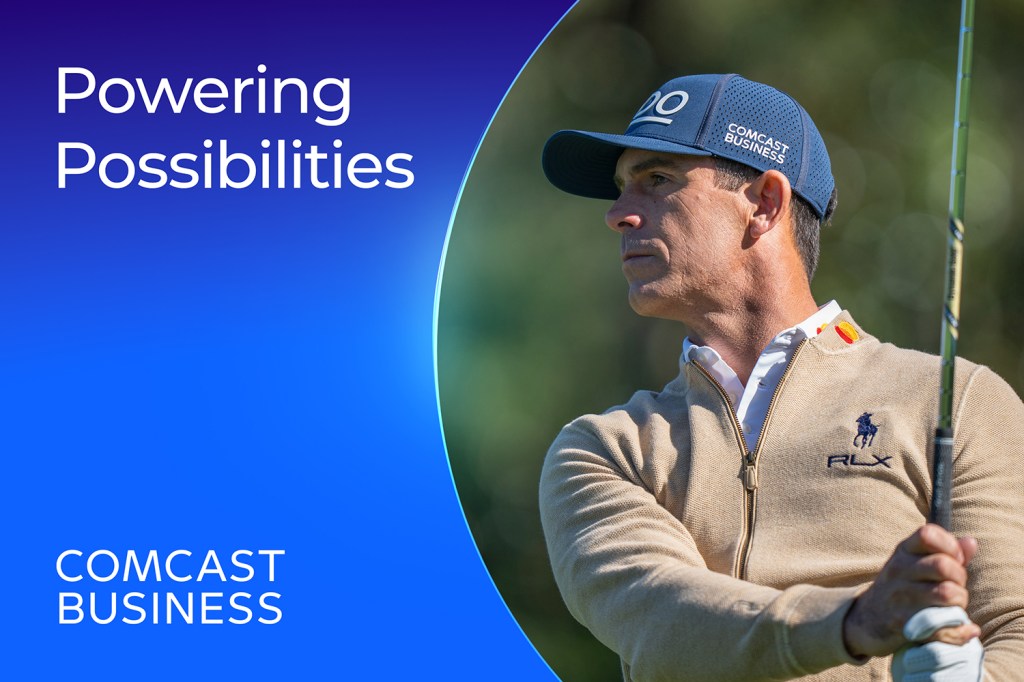
Pro sports leagues are also grappling with the issue of athletes endorsing or investing in prediction-market platforms. LIV Golf star Bryson DeChambeau signed an endorsement deal with Kalshi in January, and NBA star Giannis Antetokounmpo took an equity stake in Kalshi in February. The PGA Tour does not allow players to endorse prediction markets, nor does the NFL. The NFL has signaled it could open up to the idea of working with platforms in the future if regulatory questions are resolved.
The NBA does not have a specific policy prohibiting players from endorsing the platforms, a person familiar with the matter previously told FOS. No action has been taken since Antetokounmpo’s investment was announced. Although the NBA hasn’t embraced prediction markets, the league did have the founders of both Kalshi and Polymarket speak at the NBA All-Star Tech Summit, an exclusive, invite-only event where business leaders from major technology companies give talks.
MLB commissioner Rob Manfred said last month that the league is considering striking formal deals with prediction markets to help aid in overall game integrity.
The NHL and MLS have come around on prediction markets—Kalshi and Polymarket are both “official partners” of the former, while Polymarket has a deal with the latter.