Afternoon Edition |
December 8, 2025 |
|
|
A day after the CFP field was unveiled, the debate has only intensified. The bracket itself sparked backlash, but the larger fight now centers on what the process means for bowl games, rankings, and the sport’s postseason future.
—Eric Fisher and Margaret Fleming
|
|
|
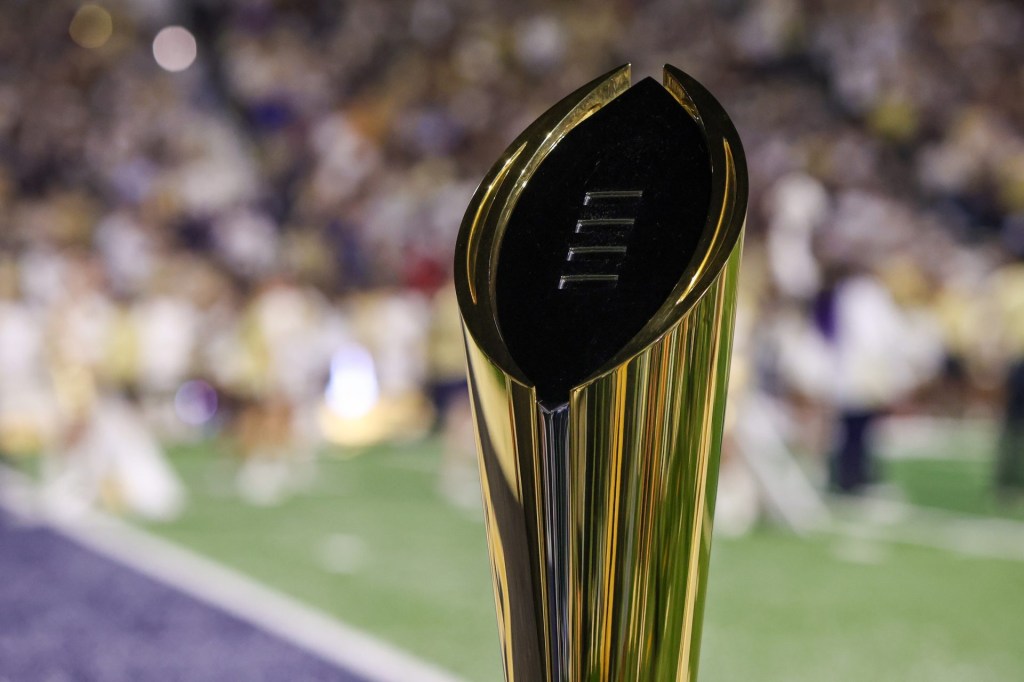
A day after the release of the 2025 College Football Playoff brackets, recriminations continue to fly around the sport, prompting plenty of additional questions of how the selection committee arrived at the 12-person field, and what might happen in future years as a result.
Among the key questions looking ahead in the wake of the 2025 bracket:
What happens with the bowl system?
The existing set of bowls happening outside the CFP is unquestionably in a weaker position. Notre Dame, the top team left out of the CFP, opted out of competing in any bowl game. So did Kansas State and Iowa State, each receiving $500,000 fines from the Big 12 Conference because of those decisions.
Baylor, which hadn’t been bowl eligible with a 5–7 record, also saw a potential bid to the Birmingham Bowl fall its way because of the other opt-outs, only to decline themselves. Georgia Southern finally got an opponent in that game, Appalachian State, after at least seven teams declined an invitation.
“We’ve already progressed deeply into the offseason timeline in preparation for the 2026 season,” Baylor said in a statement.
Such is increasingly the situation with teams not in the CFP as the tournament increasingly becomes an all-or-nothing proposition—to the detriment of the existing bowls.
“The bowl system we know now is officially dead,” On3 tweeted. “RIP. It was a nice run while it lasted.”
That still might be somewhat hyperbolic, though, as there’s still plenty of consumer interest in the bowls. ESPN, which shows many of the lesser bowls potentially most at risk, reported a series of audience milestones last January to end the 2024–25 season, with some events posting record-level viewership. What happens in the next several weeks on ESPN and its sister networks will provide a key litmus test on the future of the bowl games.
Did the weekly CFP rankings show hurt?
That’s the core allegation of Notre Dame, which said the weekly programs showing the Fighting Irish in the tournament until the final, decisive reveal provided “false hope,” according to athletic director Pete Bevacqua.
The CFP, however, is locked into five rankings reveal shows as part of its rights deal with ESPN.
The core issue, however, likely has less to do with the existence of the shows themselves, but more with the rankings unveiled on those shows and how they’re determined.
So what happens with the CFP rankings?
That’s the fundamental issue plaguing the CFP, both in its current 12-team format and a proposed 16-team one. As fighting continues over how to allocate automatic bids—consistently the thorniest issue in the CFP expansion discussion—subjective evaluations of teams continue to roil the sport, just as they did in the pre-CFP era.
Miami and its advocates, not surprisingly, leaned heavily on the weight of its head-to-head victory back in August over Notre Dame. The Fighting Irish, conversely, argued for its entire body of work, its strength of schedule, and a sizable on-field improvement since that early loss, and one two weeks later to Texas A&M.
Even CFP chair Hunter Yurachek acknowledged Sunday that the presence of last week’s conference championship games—which carried different meanings for various teams and weren’t played at all by some contenders—additionally complicated the selection process.
“That’s a process in consideration,” Yurachek said of potentially discounting the title games in future years. “The role of the selection committee is to rank the teams 1 through 25 and then from that you develop your College Football bracket with the five highest-ranked conference champions and the seven highest at-large teams. So that’s what we do until the management committee tells us to do something different.”
What happens to the Group of Six teams?
This remains one of the most hotly debated components of any future CFP format, and pressure will likely increase to further ensure that teams from power conferences have clear paths to the CFP. That will continue to run against those arguing for a more open framework.
The current structure, as it was intended, created a pathway for Tulane and James Madison to enter the tournament. Plenty of pundits, however, believe that such teams, far from the sport’s elite, do not belong in the field.
“We can’t be doing a Make-A-Wish program with the College Football Playoff and just adding teams because we believe we feel like they should deserve it,” said ESPN analyst Jordan Rodgers on Monday’s episode of Get Up.
|
|
|
|
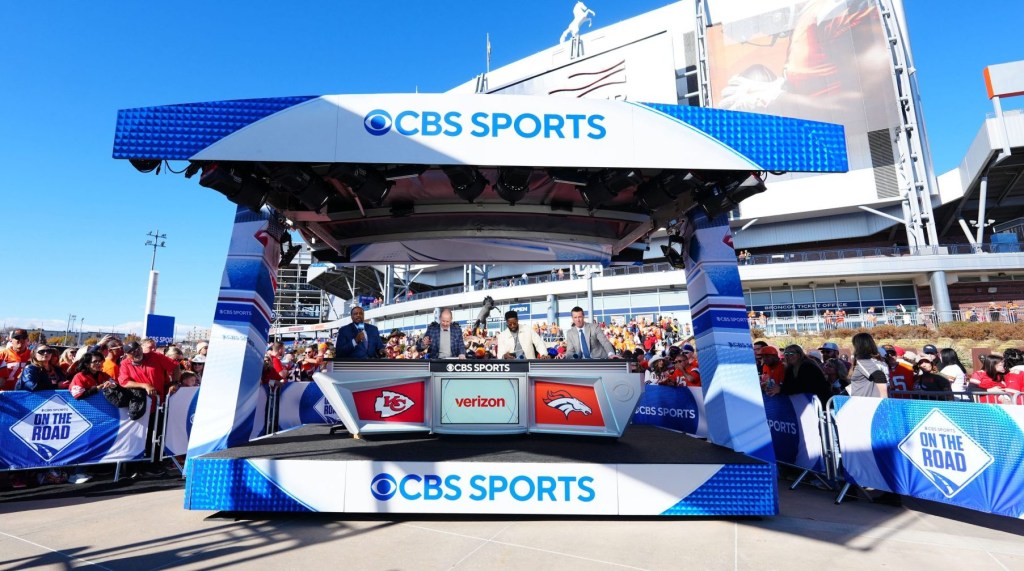
The battle for TNT Sports parent company Warner Bros. Discovery has turned hostile.
CBS Sports parent company Paramount, as expected, has initiated a hostile takeover bid for WBD, making an all-cash tender offer of $30 per share for the company—including the linear and sports assets that Netflix does not want. The offer contemplates an enterprise value of $108.4 billion for all of WBD.
The Paramount bid arrives three days after Netflix reached a definitive agreement on an $82.7 billion deal for WBD’s studio and streaming businesses, but not the sports and linear components set to become part of a forthcoming Discovery Global. Paramount is now looking to force a vote among WBD shareholders.
“We are taking our offer directly to shareholders to give them the opportunity to act in their own best interest and maximize the value of their shares,” said Paramount CEO and chair David Ellison.
The latest move arrived after Paramount submitted six proposals for WBD over the past three months, with the unsolicited overtures helping to put WBD formally on the market in October.
“We’re here to finish what we started,” Ellison said Monday morning on CNBC. “This is an existential moment for our business.”
The all-cash tender offer from Paramount, expiring Jan. 8, is backed by a series of strategic partners, including the Ellison family and RedBird Capital Partners, among others. A regulatory filing also detailed that Affinity Partners, an investment firm led by Jared Kushner, son-in-law of U.S. President Donald Trump, is involved in helping finance Paramount’s bid. Paramount is additionally appealing to the Hollywood creative community, touting its offer as far better for those works, and the company has created a “Stronger Hollywood” website to help make its case.
If successful, the Paramount bid would also create a sports media colossus combining its own CBS Sports with TNT Sports, spanning broadcast, cable, and streaming platforms.
“Our deal basically provides a significant amount of synergies in sports rights that will be able to protect those linear properties,” Ellison said on CNBC.
The Netflix bid, conversely, would allow a previously announced split of WBD to happen next year, forming Discovery Global, which would house TNT Sports. Sports will be a significant focus within Discovery Global, if that split happens.
Regulatory Process
Meanwhile, Netflix’s purchase of key parts of TNT Sports parent Warner Bros. Discovery might not have as bumpy a regulatory process as initially thought—if WBD shareholders approve it. Netflix’s deal of $27.75 per share for WBD’s studio and streaming business is a mix of cash and stock, and it doesn’t involve all of WBD. So comparisons between the two bids are complex, but Paramount contends its offer would yield about $18 billion in additional cash to WBD shareholders.
Trump, as expected, said Sunday night he would be personally involved in the approval of the Netflix agreement, but those comments arrived before Paramount’s latest tender offer.
“It has to go through a process, and we’ll see what happens,” Trump said. “Netflix is a great company. They’ve done a phenomenal job. [Netflix co-CEO] Ted [Sarandos] is a fantastic man. I have a lot of respect for him, but it’s a lot of market share [if the deal happens], so we’ll have to see.”
Trump’s comments veer against conventional wisdom that originally suggested Netflix would have governmental trouble because CBS Sports parent Paramount did not prevail in the WBD bidding. Paramount and Ellison have a friendly relationship with the Trump White House.
Before the early Friday announcement of the deal, Sarandos traveled to Washington, D.C., to meet with Trump and brief him. Still, the approval process is expected to require much of 2026 to complete, if not more.
Sarandos, however, projected further confidence in the wake of the Paramount offer.
“Today’s move was entirely expected,” he said Monday at a UBS conference. “We have a deal done, and we are incredibly happy with the deal. We think it’s greater for our shareholders. It’s great for consumers. We think it’s a great way to create and protect jobs in the entertainment industry. We’re super confident we’re going to get across the line and finish.”
Editors’ note: RedBird IMI, in which RedBird Capital Partners is a joint venture partner, is the primary investor in Front Office Sports.
|
|
|
|
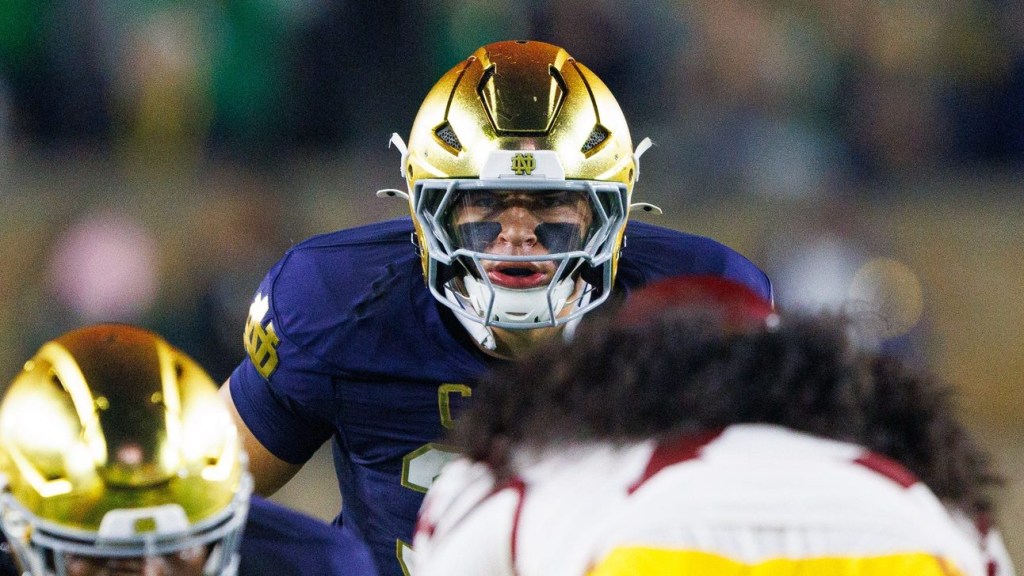
A number of college football teams declared they’ll opt out of a bowl game this year.
The Big 12 fined Kansas State (6–6) and Iowa State (8–4), both of whom are losing their head coaches, $500,000 apiece for their decision. “While the Conference acknowledges the difficult timing around coaching changes, the Big 12 is responsible for fulfilling its contractual obligations to its bowl partners,” the conference said. At least seven 5–7 teams have declined invitations to face Georgia Southern in the Birmingham Bowl. Teams normally need to win six or more games to be bowl eligible.
However, one rejector stands above the rest.
Notre Dame removed its name from bowl consideration shortly after it was left out of the 12-team College Football Playoff. The Fighting Irish won 10 straight games after two close losses early in the season and ended the season ranked No. 11 by the selection committee, but were the first team out after Alabama (10–3) and Miami (10–2) jumped them in the rankings.
How exactly did Notre Dame get left out?
For starters, the rules dictate that the five highest-ranked conference champions get an automatic bid. Two Group of 6 conference champions, Tulane (11–2) and James Madison (12–1), finished the season higher than the ACC title game champion, unranked Duke (8–5). That took away a spot that could’ve gone to an at-large team, plus Miami—the ACC’s best team, which didn’t get a spot in the conference championship on a technicality—was still a threat to Notre Dame’s chances.
Everything came down to the Nos. 9 and 10 spots, with Alabama, Notre Dame, and Miami all in the running. Notre Dame and Miami had the same record and very similar strength of schedules, but the Hurricanes beat the Fighting Irish 27–24 in a head-to-head meeting to open the season. Georgia (12–1) crushed Alabama in the SEC title game, but the Crimson Tide somehow still landed over both in the No. 9 spot. Miami, which moved up a spot after BYU’s loss, had the tiebreaker over Notre Dame and took the last opening.
Notre Dame was out, and BYU (11–2) was the second team out.
“Our heads were spinning,” Notre Dame athletic director Pete Bevacqua said Monday morning on The Dan Patrick Show. “Like, where’s the logic? Where’s the rationale? Why are we being kind of punished and the only ones that seem to be moving in the wrong direction, and yet winning and having an unbelievably dominant end to the season?”
Bevacqua has been making the media rounds ever since the announcement. He spoke with Yahoo Sports, Wake Up Barstool, and Patrick, and will hold a press conference Tuesday.
Bevacqua’s main talking points have been:
- Notre Dame was “led to believe” it would have a spot because the team was ranked higher than Alabama and Miami throughout the weekly CFP rankings. (The shows are part of ESPN’s $7.8 billion deal with the College Football Playoff, for which it also broadcasts all games. Notre Dame has an independent deal with NBC Sports.)
- Notre Dame wasn’t told why Alabama jumped ahead of it in the rankings last week, only hearing rumors that the Crimson Tide “went for it on fourth down.” CFP committee chair Hunter Yurachek has publicly said Notre Dame’s win that week against Stanford was “strong,” but Alabama “looked really good” in a rivalry game against Auburn, especially in the first half.
- Notre Dame is upset with the selection committee and the ACC, not other schools.
- Notre Dame was “mystified by the actions of the conference to attack” the university, which has a five-game annual football deal and is an ACC member school for more than two dozen other sports. Bevacqua said it seemed that the ACC took shots at Notre Dame and caused “permanent damage” to their relationship, but said that harm is not irreparable.
- Worth noting: CFP officials signed a memorandum of understanding that says if Notre Dame finishes in the top 12 beginning in 2026, the Fighting Irish will earn an automatic playoff berth.
- Notre Dame didn’t want to play a bowl game without its top players, who would’ve sat out.
The ACC Network played Miami’s win over Notre Dame 13 times last week, and the conference’s football account on X compared Miami’s resume to Notre Dame, Alabama, and BYU.
ACC commissioner Jim Phillips said in a statement Monday that the league never suggested Notre Dame “was not a worthy candidate for inclusion in the field,” noting that the Fighting Irish program is “incredibly valued,” and stressed the conference had to advocate for its 17 football-playing members.
Notre Dame won’t get a return trip to the College Football Championship. The team reportedly declined an invitation from the Pop-Tarts Bowl, which will feature BYU and Georgia Tech. Bevacqua insisted the decision didn’t have anything to do with Pop-Tarts, which he said he loves, particularly the brown sugar flavor.
“This is absolutely the right move,” Utah Gov. Spencer Cox posted in response to Notre Dame’s opt-out. “Getting embarrassed in a bowl game against BYU would be really hard on the program. Much smarter to avoid playing tough teams so you can keep your brand intact.”
|
|
|
|
|
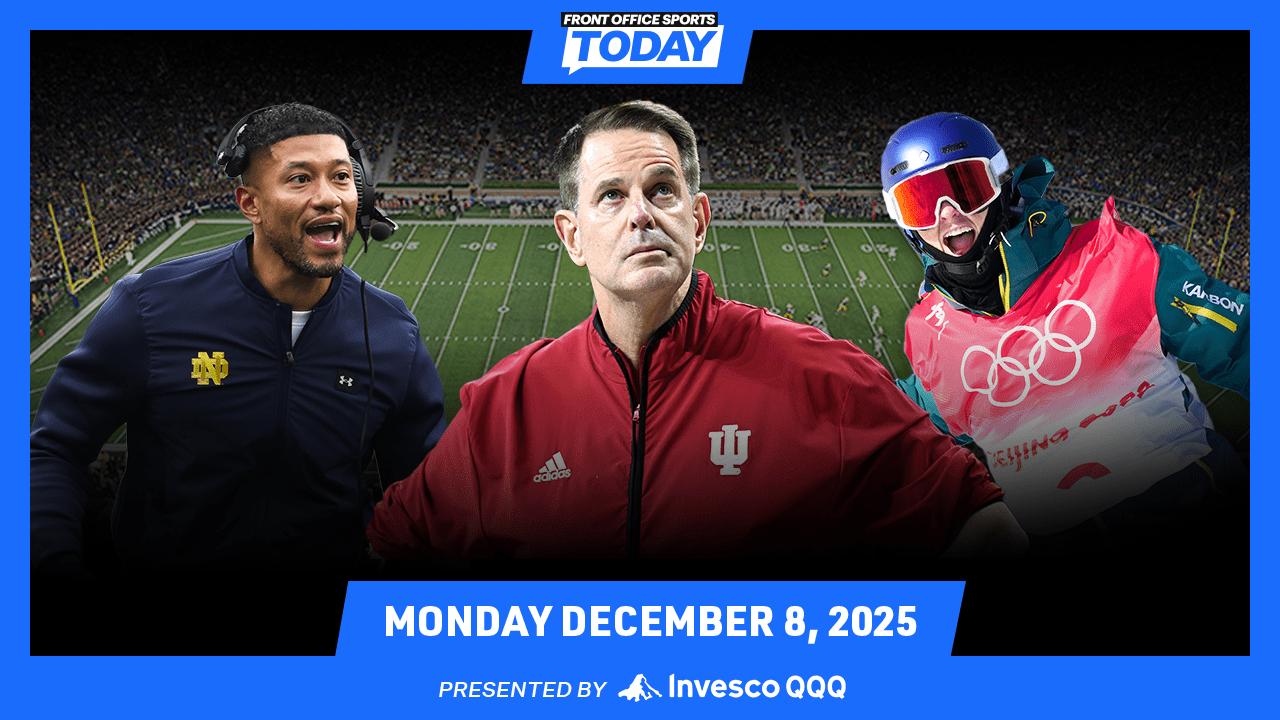
The first official 12-team College Football Playoff field is set. College football analyst Ben Stevens joins to evaluate the committee’s selections and Notre Dame’s controversial decision to opt out of its bowl game after missing the College Football Playoff, which could become more normalized in the era of playoff expansion.
Plus, FOS editor-in-chief Dan Roberts discusses the difficult situation surrounding ESPN’s College Football Playoff rankings shows leading up to the official reveal.
Also, Olympic snowboarder Scotty James joins to discuss the new X Games League, how he’s preparing for the 2026 Winter Olympics as he pushes for his first gold medal, and his documentary “Scotty James: Pipe Dream” premiering Dec. 19 on Netflix.
Watch the full episode here.
|
|
|
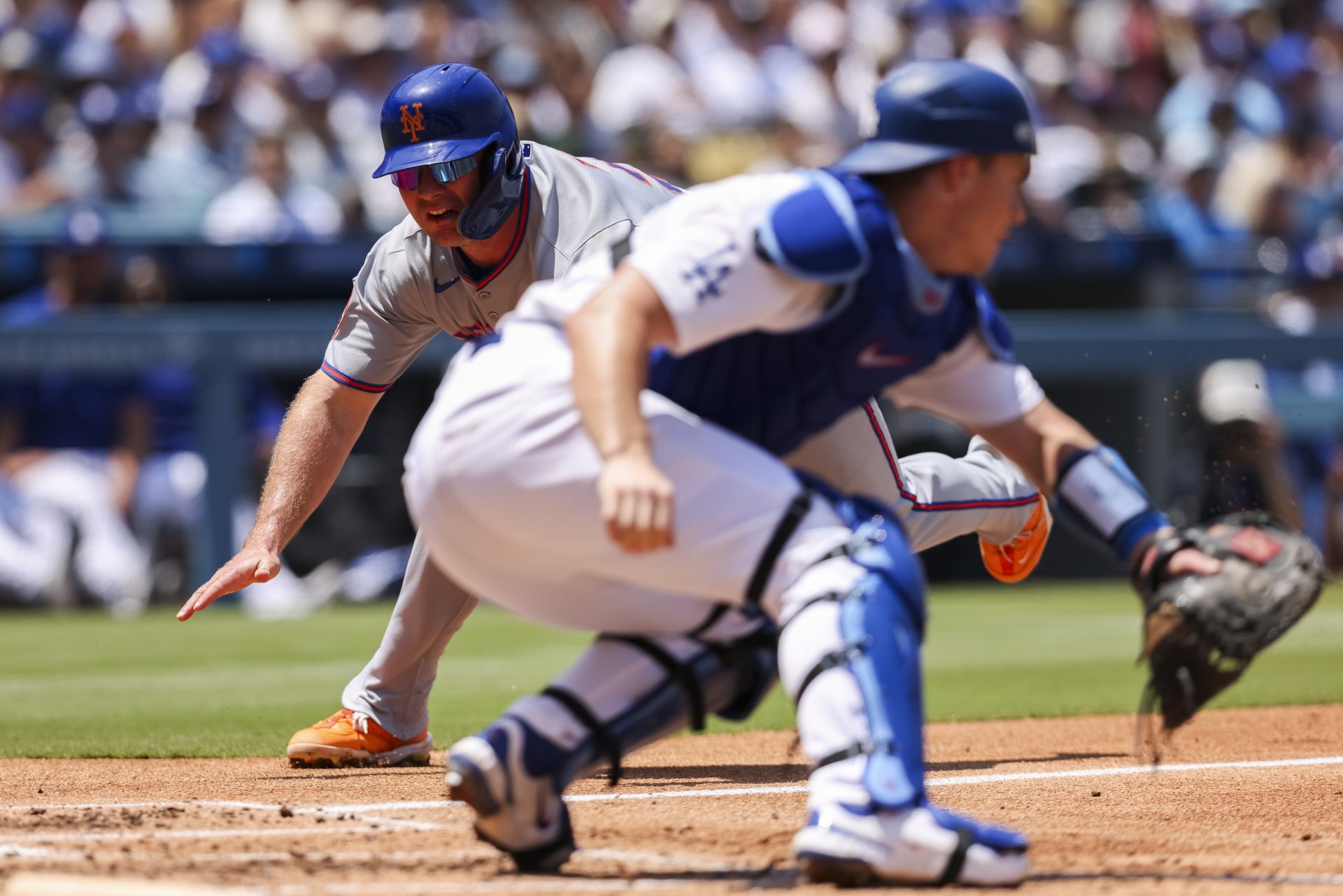
ESPN’s baseball coverage ⬆ The Disney-owned outlet said that its first Major League Baseball game next season will be on April 15, when it airs coverage of the Dodgers and Mets on the league’s commemoration of Jackie Robinson Day. The broadcast will be the beginning of a significantly retooled rights agreement between MLB and ESPN.
World Cup player wellness ⬆ FIFA said every half of every match in the 2026 men’s World Cup will feature a three-minute hydration break to “prioritize player welfare.” The move arrives amid expectations of hot and humid temperatures in many of the tournament sites in the U.S., Canada, and Mexico. The FIFA Club World Cup this past summer grappled with many of the same issues.
Mike Tomlin ⬆ After the Steelers’ head coach was facing unprecedented scrutiny in his long tenure with the team, Pittsburgh delivered arguably its biggest win of the season Sunday, defeating the Ravens 27–22. The Steelers now have a 67% playoff probability, and those chances would have fallen to below 20% with a loss. “[It] means maybe you would shut the hell up for a week,” Steelers quarterback Aaron Rodgers told reporters after the game.
Liverpool ⬆⬇ The reigning Premier League champions have left star forward Mohamed Salah off the squad for an upcoming Champions League game against Inter Milan as turmoil continues to envelop the team. Sagging to ninth in the Premier League, Liverpool has benched Salah for the past three games, prompting Salah to respond that it “seems like the club has thrown me under the bus.” Salah was the Premier League’s player of the season for the 2024–25 campaign.
|
|
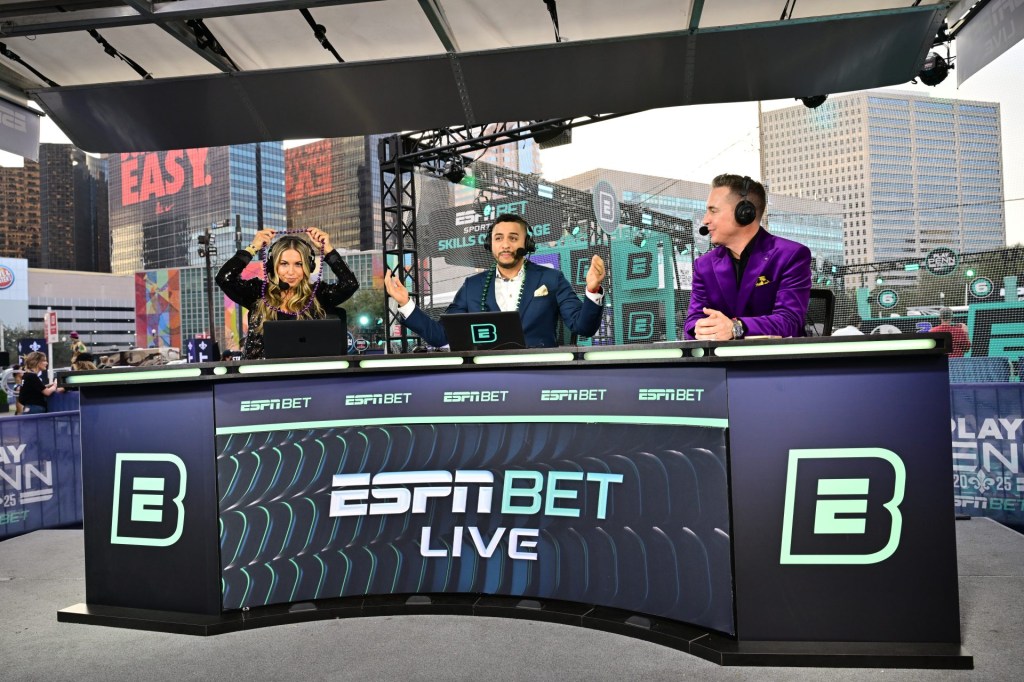 | ESPN switched its gambling affiliation on Dec. 1. |
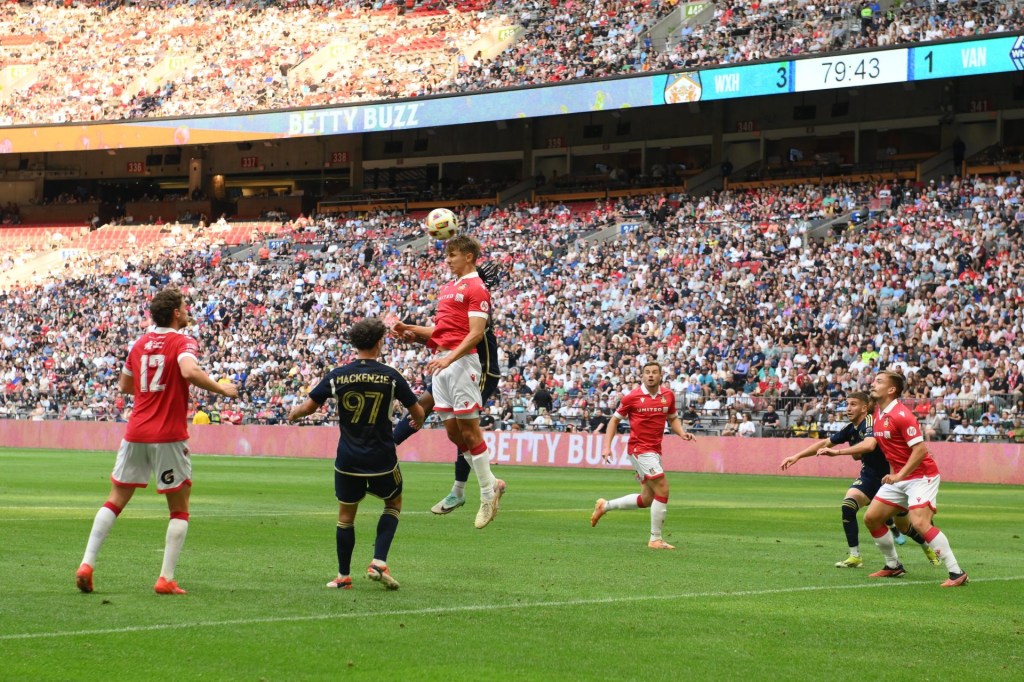 | It’s the PE firm’s second soccer investment since launching Apollo Sports Capital. |
|
|