
Read in Browser

Front Office Sports - The Memo

Afternoon Edition

February 5, 2026

POWERED BY

Bad Bunny is keeping his plans for the Super Bowl LX halftime show close to the vest—political and otherwise. “I just want people to have fun,” he told reporters Thursday in San Francisco. The Puerto Rican superstar told people in October they had four months to learn Spanish. In a bit of a reversal, he said: “They don’t even have to learn Spanish. It’s better if they learn to dance.”

—Eric Fisher and Amanda Christovich

Bad Bunny: Super Bowl Halftime Show Will Be ‘Huge Party’

FOS images

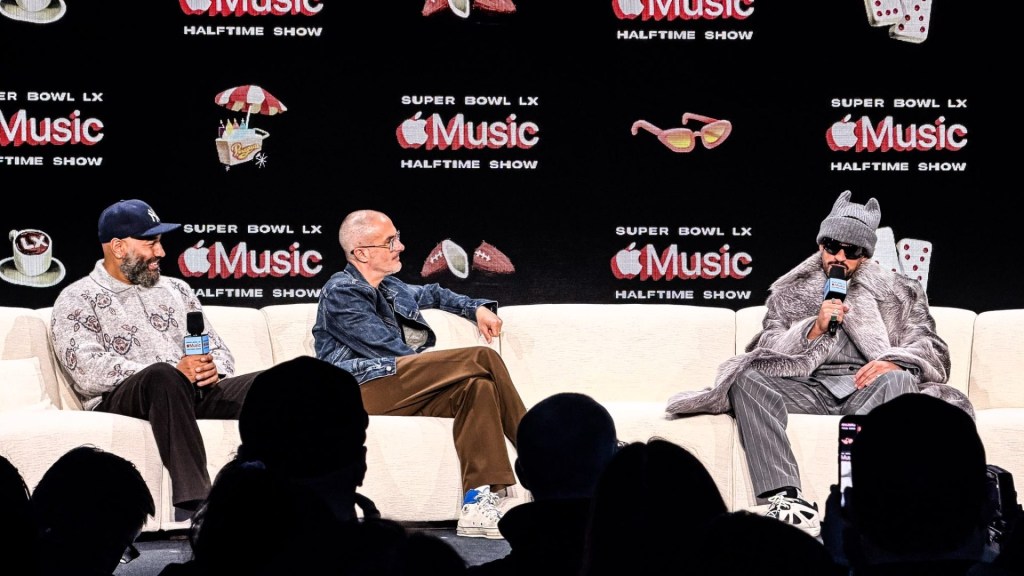
SAN FRANCISCO — Bad Bunny, the headline act for the Super Bowl LX halftime show, is keeping his plans for the spectacle close to the vest—political and otherwise.

The Puerto Rican superstar, fresh off winning a Grammy Award for Album of the Year, said during a packed press conference Thursday that he is leaning in to the energy and joy of his music for the upcoming 13-minute performance. But he gave no specific hints about what he has planned, including any potential guest stars.

“I just want people to have fun. There’s going to be a huge party. I want to bring to the stage a lot of my culture, but I really don’t want to give a lot of spoilers,” said Bad Bunny, whose real name is Benito Antonio Martínez Ocasio. “I know I told [people they had] four months to learn Spanish. They don’t even have to learn Spanish. It’s better if they learn to dance.”

Bad Bunny is expected to perform solely in Spanish.

“I’m excited, but at the same time, I feel more excited about the people [beyond] me—my family, my friends, the people who have always believed in me,” he said, wearing a large, gray fur coat and a beanie with bunny ears. “This moment, the culture—that’s what makes these shows special.”

Bad Bunny’s comments arrived as his political outspokenness has been a flash point in the run-up to the high-profile cultural event. He used his Grammy Awards platform last weekend to say, “Before I say thanks to God, I’m going to say: ICE out,” again challenging tactics by U.S. Immigration and Customs Enforcement.

U.S. President Donald Trump has repeatedly criticized the selection of Bad Bunny, saying it was “terrible.” The choice likely contributed to Trump electing not to attend the game. The politically conservative Turning Point USA has developed an alternate program, “The All-American Halftime Show,” headlined by Kid Rock, that will try to siphon viewers—despite more than three decades of unsuccessful attempts by other Super Bowl counterprogrammers.

White House press secretary Karoline Leavitt said Thursday that for the Super Bowl party at Trump’s Mar-a-Lago resort in Florida, “I think the president would much prefer a Kid Rock performance.”

NFL commissioner Roger Goodell, meanwhile, has stood firmly behind Bad Bunny, first in October, and again on Monday.

“Bad Bunny is, and I think that was demonstrated [Sunday], one of the great artists in the world. And that’s one of the reasons we chose him,” he said.

Big Numbers Forthcoming

Despite any political controversy, the Bad Bunny show is likely to be a major, if not historic, draw—and perhaps could also outdraw Super Bowl LX itself. Last year’s Super Bowl set a U.S. television audience record, with the Kendrick Lamar halftime show posting an average of 133.5 million, near the game’s peak audience of 137.7 million in the second quarter. 

As NBC is looking for Sunday’s game to be the fourth straight Super Bowl to establish a new viewership milestone, a similar dynamic might happen with Bad Bunny.

“This is actually one of my favorite combinations, sport and music, and something where I feel a lot of passion,” Bad Bunny said.

Adding to the lofty viewership potential is Bad Bunny’s extensive multicultural and cross-genre appeal that attracts a wide range of demographics, including those who don’t ordinarily watch NFL games. As a result, there likely will be an unprecedented audience for the game’s Spanish-language broadcast. 

“You may have people watching the Super Bowl in all of Latin America who usually wouldn’t watch it. As a business decision, this is absolutely brilliant,” Amílcar Barreto, a Northeastern University professor of cultures, societies, and global studies, tells Front Office Sports.

SPONSORED BY THOMAS’

You Got Goals. We Got Protein

Protein-pack your morning with Thomas’® NEW High Protein Bagels.

With 21 grams of protein, it’s the perfect way to enjoy a delicious, convenient, and nutritious high-protein breakfast—with the great taste and texture you know and love—that only Thomas’ 140 years of experience in baking can provide.

Thomas’ unique blend of plant-based proteins delivers outstanding flavor and texture. These high-protein bagels are baked to satisfy your cravings and fuel your day.

Thomas’® NEW High Protein Bagels are now available everywhere!

Why State Courts May Be the Key to Winning More NCAA Eligibility

David Leong-Imagn Images

Since Vanderbilt quarterback Diego Pavia successfully sued the NCAA for another year of eligibility, dozens of athletes have tried to follow in his footsteps—causing something of an existential crisis in college sports.

But not all of the players who tried to copy Pavia’s legal strategy by filing antitrust cases in federal court have been successful. Of the 47 cases filed since the fall of 2024 that weren’t dropped before a ruling was provided, the NCAA has prevailed in 26. (And of those 47, eight are still pending.)

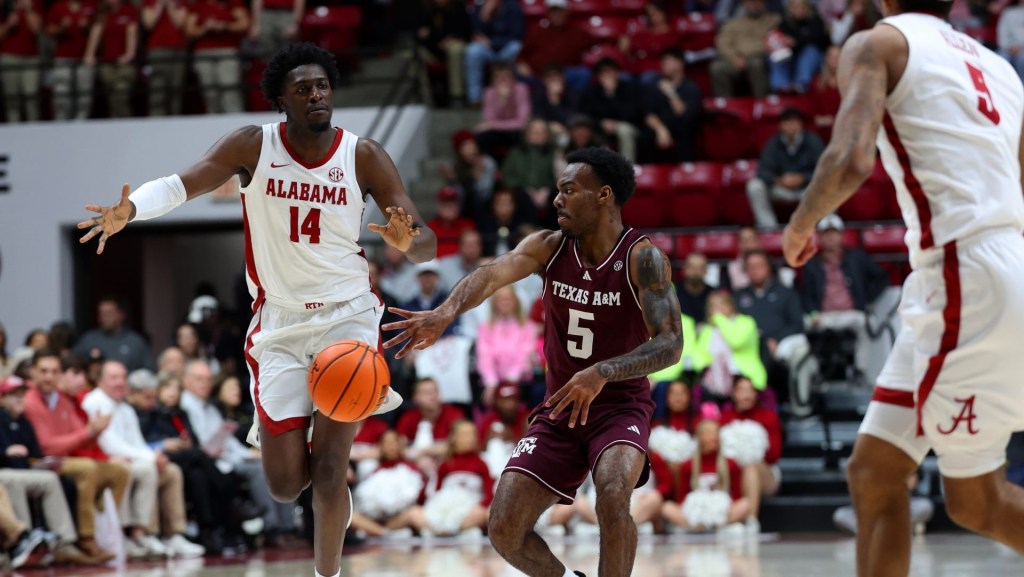
But athletes and their lawyers may have found a new winning strategy: filing cases in state court. Of the ten instances judges have granted preliminary injunctions for eligibility, six have come in state court. In addition, players have recently won two temporary restraining orders (the precursor to a preliminary injunction) in two high-profile cases: Alabama men’s basketball player Charles Bediako (who argued his NBA contracts shouldn’t have precluded him from eligibility) and Tennessee quarterback Joey Aguilar (who argued junior college years shouldn’t preclude eligibility). 

Front Office Sports spoke with lawyers and experts who explained why state court might be the secret to winning eligibility lawsuits, from the types of claims to players filed to the ruling patterns of state courts. 

Breach of Contract

There’s a general assumption that state judges may be more amenable to players’ eligibility pleas because they have ties to local universities, and therefore have a pro-athlete bias. And the concern about bias is real: At least one judge, Jim Roberts in the Charles Bediako case, has recused himself because he has donated six figures to Alabama sports.

As for why players have been more successful in state court, however, “that is not the reason,” said attorney Tom Mars, who represents Ole Miss quarterback Trinidad Chambliss in his eligibility lawsuit. 

Multiple attorneys told FOS the strategy was related to the types of cases they filed, rather than the judges presiding over those cases.

The federal court cases argued that various eligibility laws violated antitrust law—that they put illegal restraints on player earning potential in the NIL era, because they precluded players from participating in seasons that would allow them to earn more name, image, and likeness money. But several of the state cases argued that the eligibility decisions actually constituted tortious interference or breach of contract between the NCAA and member schools, because the decisions weren’t consistent, or didn’t reflect bylaws of previous decisions. Players can then sue because they’re seen as “third parties” to those contracts in the eyes of the courts. 

“Judges may be more inclined to grant relief, particularly when local universities or athletes are involved,” sports attorney Darren Heitner, who is representing Bediako, told FOS.

Bediako’s case follows this strategy, as does Chambliss’s. Bediako’s case will be heard Friday; Chambliss’s case is set for next week.

Other State Wins

Not all the state court cases follow this blueprint. This past fall, Aguilar joined Pavia’s lawsuit along with several other players. But last month, he withdrew from the case and filed his own separate lawsuit in Tennessee state court. Instead of arguing for breach of contract, he argued NCAA rules violated Tennessee’s state antitrust law. On Wednesday, he was granted a temporary restraining order giving him eligibility until the hearing for a preliminary injunction, which is set for Feb. 13.

The NCAA pointed out the dynamic in a statement: “This outcome – after the plaintiff withdrew from a federal lawsuit and separately filed a lawsuit in state court with the exact same facts – illustrates the impossible situation created by differing court decisions that serve to undermine rules agreed to by the same NCAA members who later challenge them in court.”

Legal experts have various theories as to why cases might have success in state court, regardless of their claims.

“For emergency relief like a TRO or preliminary injunction, state court can be a more hospitable forum—procedurally faster, with lower hurdles, and judges who may be more comfortable stepping in when flagship state schools are involved,” Tulane sports law professor Gabe Feldman says. 

Boise State law professor Sam Ehrlich, who’s been tracking eligibility lawsuits across the country, said he had two. First, at the federal court level, judges may have more familiarity with antitrust claims against the NCAA (specifically because of the NCAA v. Alston Supreme Court decision) and may already have preconceived notions about how it applies to NCAA rules. Meanwhile, state judges have less precedent. The second: Federal judges are more “deferential to institutions” than state judges, who often say they don’t want to “micromanage” the NCAA, whereas “state court judges tend to not care as much, and look more towards the individual harms.”

Potential Solutions

NCAA president Charlie Baker has acknowledged the dichotomy between state and federal courts. “We have to marry those two tracks, the state courts and the federal courts,” Baker told Sports Illustrated on Tuesday. “And it’s going to take a while.”

Mars suggests the NCAA could change its organizational structure from an educational nonprofit to a Delaware corporation. That would likely allow them to transfer the majority of future state cases to federal court, he explained.

Still, courts probably won’t provide stability. Some have argued collective bargaining with players would do the trick. The NCAA, meanwhile, is asking Congress to write a law blocking these lawsuits for good. Said the NCAA after the Aguilar decision: “The patchwork of state laws and inconsistent, conflicting court decisions make partnering with Congress essential to provide stability for all college athletes.”

FOS at Radio Row

  • Two-time Super Bowl winner Malcolm Jenkins shared his thoughts on the prospect of an 18-game regular season. Watch here.
  • NFL EVP Jeff Miller talks about the league’s slate of international games, expiring media-rights deals, and the place of prediction markets in the league. Watch here.
  • Giants quarterback Jameis Winston discusses the new world of NIL. Watch here.
STATUS REPORT

Two Up, Two Push

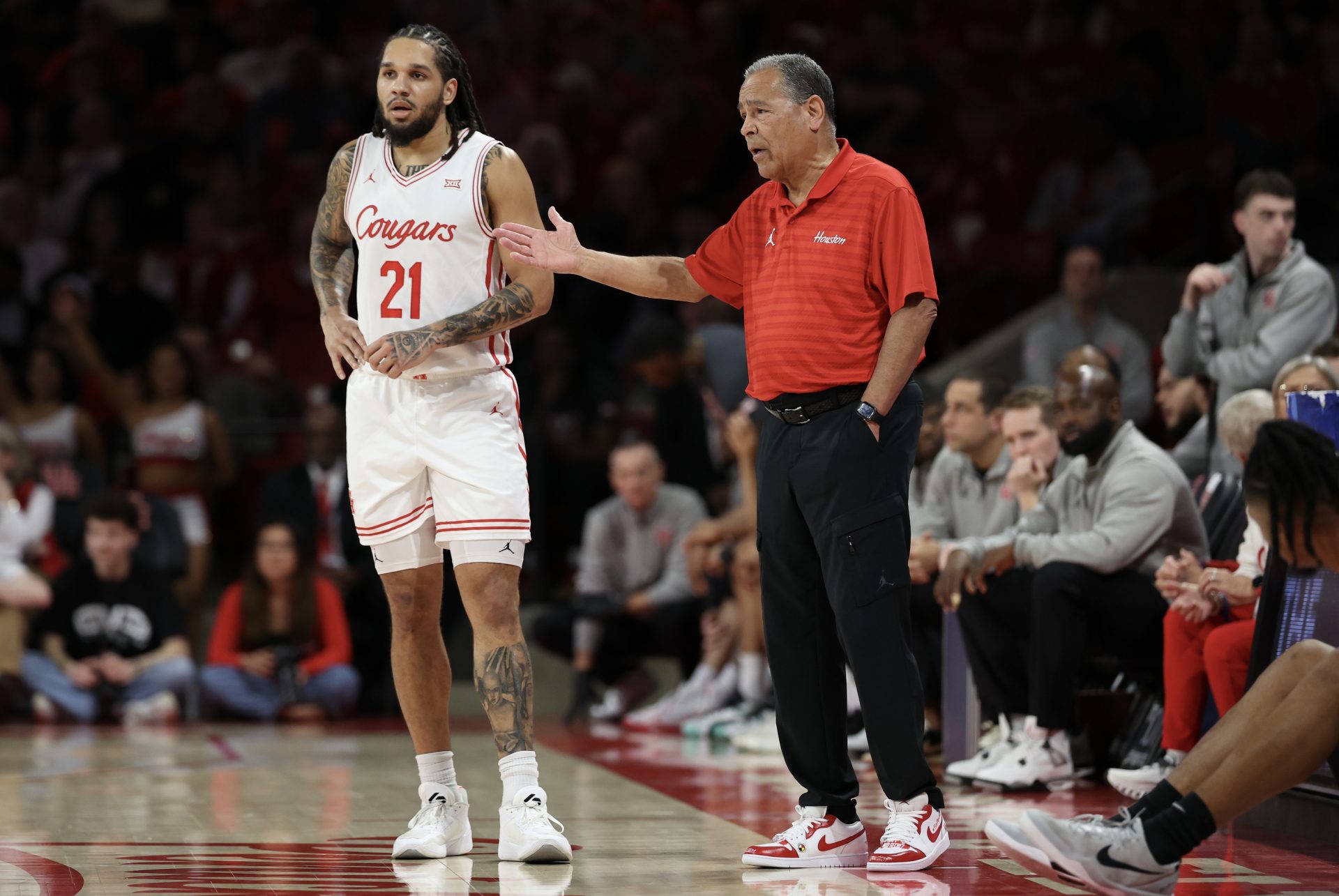
Feb 4, 2026; Houston, Texas, USA; Houston Cougars head coach Kelvin Sampson talks to guard Emanuel Sharp (21) in the first half against the UCF Knights at Fertitta Center.

Thomas Shea-Imagn Images

Houston ⬆⬇ The Cougars improved to 20–2 with a 24-point victory against UCF. Head coach Kelvin Sampson made headlines after the game, discussing how the school’s NIL situation will likely impact them in years to come. “We probably have the lowest budget of anybody in Power 4,” Sampson said. “The way our recruiting is going, we have to stop at some point because we don’t have enough money to keep bringing in really good players.”

NHL trades ⬆⬇ The trade freeze went into effect at 3 p.m. ET on Wednesday as the league gets set for an extended break due to the Winter Olympics. One last transaction went through before the deadline, with Artemi Panarin traded from the Rangers to the Kings in exchange for prospect Liam Greentree and conditional third- and fourth-round picks.

Bulls’ draft capital ⬆ Chicago continues to wheel and deal, trading guard Ayo Dosunmu to the Timberwolves in exchange for Rob Dillingham, Leonard Miller, and four second-round picks. The Bulls have acquired nine second-round picks in the last week, with the team making six trades during that time.

Framber Valdez ⬆ The two-time All-Star has agreed to a three-year, $115 million deal with the Tigers. Valdez, the top left-handed pitcher on the free-agent market, will join forces with Tarik Skubal, the best lefty pitcher in MLB. In eight seasons with the Astros, Valdez had a record of 81–52 and pitched to a 3.36 ERA.

Editors’ Picks

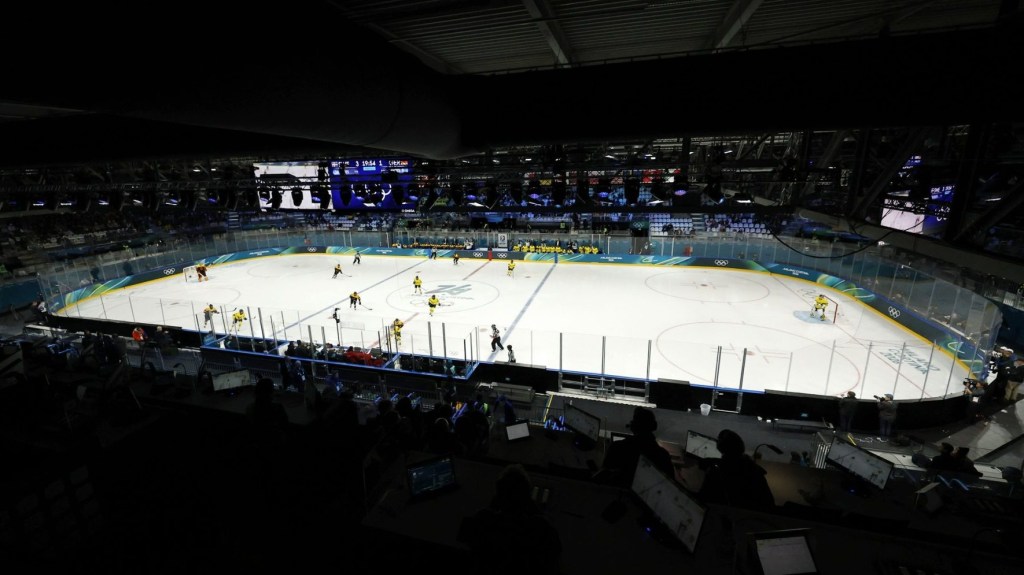
Olympics Norovirus Outbreak Postpones Finnish Women’s Hockey Game

by Margaret Fleming
More than half the women’s team is sick or quarantining.

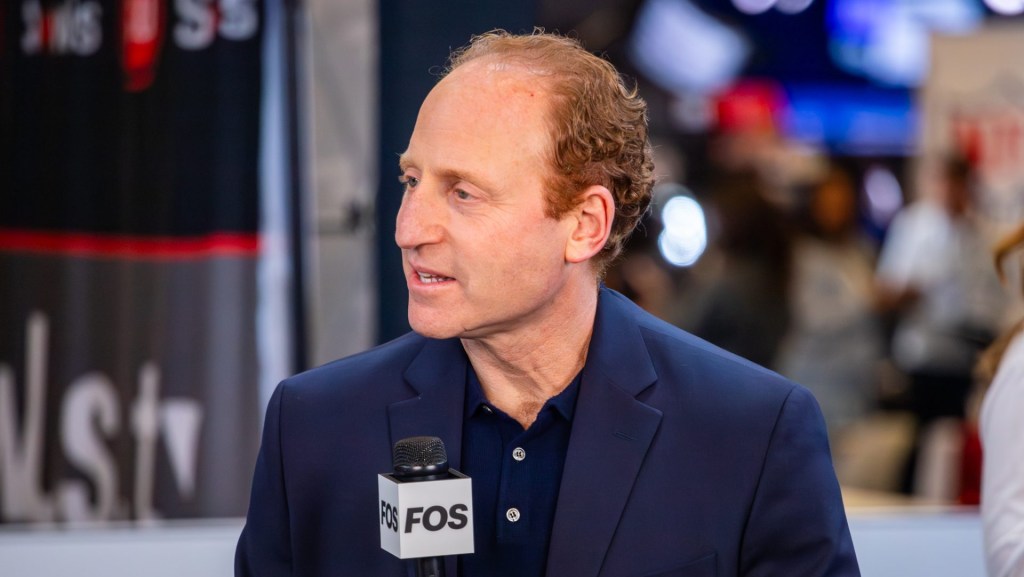
NFL Signals Openness to Prediction Markets

by Ben Horney
The league is “interested” but intends to move with caution.

Could Tom Brady Get Rejected by Pro Football Hall of Fame?

by Michael McCarthy
“Maybe it’s not trending so well for ex-Patriots,” Brady joked.
DAILY TRIVIA

Factle Sports

Can you rank the top five hometown states that contributed the highest number of athletes to Team USA for the 2026 Winter Olympics?

PLAY NOW

Events Video Games Show Shop
Written by Eric Fisher, Amanda Christovich
Edited by Lisa Scherzer, Catherine Chen

If this email was forwarded to you, you can subscribe here.

Update your preferences / Unsubscribe

Copyright © 2026 Front Office Sports. All rights reserved.
460 Park Avenue South, 7th Floor, New York NY, 10016

Subscribe To Our Daily Newsletters

  • This field is for validation purposes and should be left unchanged.