NFL players want to return to college, and conferences are fighting back.  ‌ ‌ ‌ ‌ ‌ ‌ ‌ ‌ ‌ ‌ ‌ ‌ ‌ ‌ ‌ ‌ ‌ ‌ ‌ ‌ ‌ ‌ ‌ ‌ ‌ ‌ ‌ ‌ ‌ ‌ ‌ ‌ ‌ ‌ ‌ ‌ ‌ ‌ ‌ ‌ ‌ ‌ ‌ ‌ ‌ ‌ ‌ ‌ ‌ ‌ ‌ ‌ ‌ ‌ ‌ ‌ ‌ ‌ ‌ ‌ ‌ ‌ ‌ ‌ ‌ ‌ ‌ ‌ ‌ ‌ ‌ ‌ ‌ ‌ ‌ ‌ ‌ ‌ ‌ ‌ ‌ ‌ ‌ ‌ ‌ ‌ ‌ ‌ ‌ ‌ ‌ ‌ ‌ ‌ ‌ ‌ ‌ ‌ ‌ ‌ ‌ ‌ ‌ ‌ ‌ ‌ ‌ ‌ ‌ ‌ ‌ ‌ ‌ ‌ ‌ ‌ ‌ ‌ ‌ ‌ ‌ ‌ ‌ ‌ ‌ ‌ ‌ ‌ ‌ ‌ ‌ ‌ ‌ ‌ ‌ ‌ ‌ ‌ ‌ ‌ ‌ ‌ ‌ ‌ ‌ ‌ ‌ ‌ ‌ ‌ ‌ ‌ ‌ ‌ ‌ ‌ ‌ ‌ ‌ ‌ ‌ ‌ ‌ ‌ ‌ ‌ ‌ ‌ ‌ ‌ ‌ ‌ ‌ ‌ ‌ ‌ ‌ ‌ ‌ ‌ ‌ ‌ ‌ ‌ ‌ ‌ ‌ ‌ ‌ ‌ ‌ ‌ ‌ ‌ ‌ ‌ ‌ ‌ ‌ ‌

August 29, 2026   |   Read online

The Week That Broke CFB

NFL players want to return to college, and conferences are fighting back.

READ IN BROWSER


Saturday Edition

August 29, 2026

Powered By

In another era, the days leading up to Week 0 would be flush with game previews, predictions, and on-field insights. This year, it was anything but. I’ve spent the week reporting on a shocking court ruling allowing college football players who participated in NFL preseason activities to return to college—and the industry-wide fallout. Here’s exactly what went down in the week that turned college football on its head.

—Amanda Christovich

First Up

  • Nielsen warned television networks not to mix its audience metrics with their own or third-party data “to make comparative statements in the press.”

  • Avalanche defenseman Cale Makar signed a $163.2 million, eight-year contract extension that will make him the highest-paid player in NHL history.

  • The PGA Tour’s Atlanta future is unclear as the Tour Championship will begin rotating among new courses, beginning in 2028.

  • Athletes Unlimited CEO Jon Patricof told FOS he isn’t ruling out a return to basketball and volleyball, but he said AU is investing heavily in softball.


The Week That Broke College Football: Everything to Know

The Week That Broke College Football: Everything to Know

Petre Thomas-Imagn Images

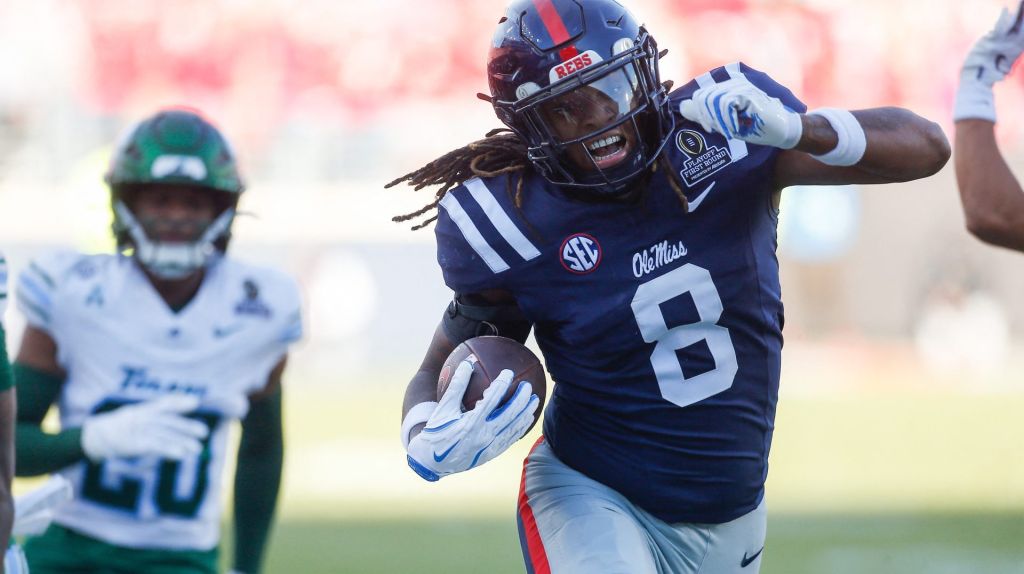
Just over a week ago, a local judge in Baton Rouge handed down a temporary ruling that sent shock waves across college football: A group of NFL players could return to college this season. 

College sports has undergone plenty of change throughout the past six years, from unrestricted transfers to NIL and revenue-sharing rights. But the ruling opened up a previously unthinkable possibility that professional football players could somehow regain college eligibility.

Two of the plaintiffs in that case, Dae’Quan Wright and Zxavian Harris, were scooped up by LSU. If another plaintiff, Jack Pyburn, gets cut from the Tampa Bay Buccaneers, he’ll also return to Baton Rouge, according to court documents. 

Since then, other NFL players have scrambled to determine whether they, too, could return to college—and some have since filed lawsuits. Meanwhile, conferences fought back, announcing a wave of policies aimed at preventing pros from coming back to college even if the NCAA couldn’t. Players initiated legal action to strike down the SEC’s new policy; LSU is expected to support them.

The situation has set up a seismic legal battle over whether conferences can enforce basic eligibility rules, like preventing professionals from returning—one that could have ripple effects across football and even the entire college sports landscape.

How did this start?

The legal battle didn’t actually begin as a lawsuit over allowing pro players in college football. It stemmed from a flood of cases filed by a specific group of players seeking a fifth year of college eligibility.

In June, the NCAA passed a new “age-based” eligibility policy, allowing players five years to complete five seasons (up from four) starting when they enter college or their 19th birthday—whichever comes first. But the NCAA chose not to include players who entered school in 2022 and had already exhausted four years. So many of those players sued, arguing they should be grandfathered into the new policy—and they started winning.

The Louisiana case is one of those lawsuits; it just so happened to also include players who tried to get roster spots on NFL teams. The lawsuit argues they never would have gone pro if they had known the NCAA would change its rule this summer. 

The judge agreed, saying the NCAA was not allowed to prohibit them from playing this season. But the judge also said these players had to terminate their NFL contracts and return any money they earned. 

Is this expected to set a new precedent across college football?

No. The Louisiana ruling was specific to the players who signed on as plaintiffs—anyone else would have to file a separate lawsuit and obtain their own court order. Plus, because the case was solely about the one-time situation freshmen from 2022 found themselves in, sources across the industry told Front Office Sports they believed this NFL player–return situation would be a one-off. 

Currently, none of the players have actually ever played regular-season NFL football. Wright, Harris, and Pyburn, for example, all went undrafted. Harris signed with the New Orleans Saints but never played preseason games due to an injury; he was cut from the team Aug. 8. Wright secured a spot for the Cleveland Browns and played in preseason but was waived last week. Pyburn is still on the Buccaneers; he has said his focus is on landing a spot on the team, but that he could take his spot at LSU back if he returns.

How did the conferences take action?

Multiple conferences—including all power conference leagues—scrambled to hold meetings to implement conference-specific policies. The Big Ten was first, saying players could not return if they went through the NFL Draft process as underclassmen without properly withdrawing, signed any NFL contract (including a preseason contract), or were listed on an NFL roster. 

Players could, however, return if they were automatically entered into the Draft and didn’t get chosen. They can also return if, as undrafted free agents, they participated in NFL “rookie minicamps,” a specific set of tryouts after the Draft, but didn’t get signed. Players in this situation include UCLA’s Trent Hendrick (part of the Louisiana lawsuit) and Texas’s Cole Hutson (who filed his own case).

The SEC, Big 12, and ACC all implemented similar policies throughout the week. Each conference has its own set of penalties, ranging from coaching suspensions to hefty fees. Wright, Harris, and Pyburn would be ineligible according to all four power-conference policies.

But can conferences enforce these policies if the NCAA can’t?

At this point, it’s unclear. 

The question could be answered by the LSU situation with Wright, Harris, and potentially Pyburn (as well as men’s basketball player RJ Luis Jr.). In the hours following the announcement of the SEC’s policy, Wright’s representation told FOS they still expected LSU to sign him. Then, on Wednesday, Louisiana Gov. Jeff Landry weighed in, telling FOS he was in support of LSU’s position to sign these players. “Don’t hate the player,” he said, “hate the game.”

School officials have declined to comment since then, but the players fully intend to battle it out with the SEC in court. They notched a small win Friday, when the judge in the Louisiana case expanded the temporary restraining order to enjoin the SEC as well as the NCAA, according to court documents obtained by FOS.

A separate lawsuit filed Thursday in Dallas, which also includes players from NFL preseason camps, also named the SEC and commissioner Greg Sankey as defendants alongside the NCAA. A temporary restraining order issued in favor of players in that case also named the SEC.

What’s the NFL’s position?

The NFL has not taken a formal stance on whether it believes players who participated in preseason should be allowed to return to college. But the league said players who leave the NFL preseason for college football would not be able to come back to their team during the same season, FOS previously confirmed. In addition, players who re-enroll would not go back through the NFL Draft in 2027—they would be considered NFL free agents.

Why is this situation such a moving target, and what’s next?

The rulings in the Louisiana and Dallas cases are even more temporary than a “preliminary injunction,” which is put in place until a case gets to trial. These current rulings will last only a few more days before hearings and decisions on these injunctions, which could come next week. 

Meanwhile, a conference could take legal action of its own to get a judge to rule that it has the authority to enforce rules against its member schools (like the Big 12 did in the case of Brendan Sorsby). Conversely, a school could file its own lawsuit against a conference if it plays one of these athletes and receives a penalty.

Multiple sources across power conferences have told FOS the entire industry is watching the SEC’s response to LSU specifically with bated breath. That’s likely the test case that could determine whether courts will allow any college sports body, whether the NCAA or a conference, to ban NFL players.

 
SPONSORED BY PGA TOUR

Tune In to the TOUR Championship

The PGA TOUR season comes down to one final week as the TOUR Championship returns to East Lake Golf Club in Atlanta, where the top 30 players in the FedExCup standings will clash for golf’s ultimate season-long prize, the FedExCup.

After a yearlong journey and two playoffs events, only the game’s absolute best remain. Every player in the field has earned their place in the most exclusive field in golf, and all eyes will be on who can rise to the occasion and capture the FedExCup title.

Scottie Scheffler, Rory McIlroy, and many of the game’s biggest stars headline the field, including defending champion Tommy Fleetwood and last week’s winner, Wyndham Clark. With no second chances and nothing left to lose, every shot carries added significance as players contend for the FedExCup and the distinction of being crowned the season’s champion. 

Tune in all weekend across ESPN, Golf Channel, CBS, and the ESPN app as the PGA TOUR crowns the 2026 FedExCup champion.

 
CFB KICKOFF

Bill Belichick’s Year 2 at UNC: Less Buzz, More Baggage

Jim Dedmon/Imagn Images

UNC will kick off its second season under beleaguered head coach Bill Belichick, whose program is looking to make a comeback after a season marred in scandal off the field and a lack of success on it. 

When Belichick was hired in December 2024, the six-time Super Bowl–winning head coach came in with plenty of fanfare—as well as a hefty five-year, $50 million contract. He had already faced controversy over his then-24-year-old girlfriend, Jordon Hudson, who was also acting as his business partner and had become a presence around the football team—and who made waves during a cringey CBS interview. But hopes were high that Belichick could bring his NFL magic to college football. 

Belichick’s debut couldn’t have gone worse, however, when the Tar Heels suffered a 48–14 smackdown by TCU. On the field, things went downhill from there. UNC went 4–8 overall, finding itself toward the bottom of the ACC and without bowl-game eligibility. Off the field, controversies mounted, from questions around Hudson’s continued involvement and behavior, to a disputed trip to Saudi Arabia in search of funding.

This past offseason, the drama appeared to cool. Belichick, with the help of GM Michael Lombardi, put together a top-15 recruiting class for the 2026–27 season. But then, earlier this summer, controversy reared its head again: Lombardi was put on administrative leave as the university investigated a personnel complaint against him. UNC defensive coordinator and Bill’s son Steve Belichick has been out on indefinite medical leave since early August.

On Saturday, against the same team that blew out the Tar Heels during last year’s season opener, Chapel Bill has a chance to start the season with redemption—or continue his debut campaign’s disappointing trend.


Editors’ Picks

 
Grand Slam Player Council Details Still Unclear  

Grand Slam Player Council Details Still Unclear

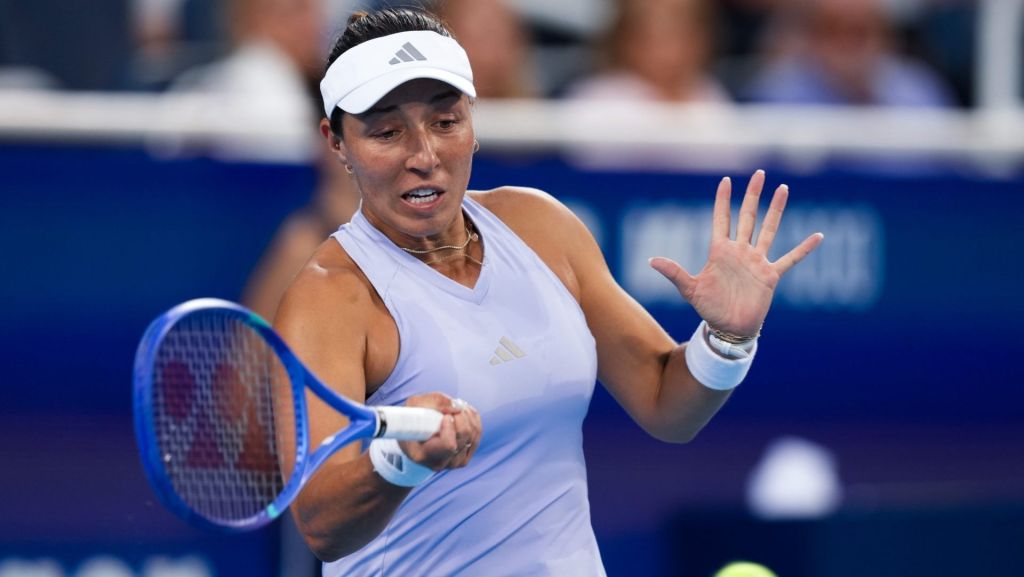
By Colin Salao
Jessica Pegula says the real fight is still players’ revenue share.
Roxanna Scott Out As ESPN’s Top Editor After Less Than a Year  

Roxanna Scott Out As ESPN’s Top Editor After Less Than a Year

By Ryan Glasspiegel
Scott was named ESPN’s editor-in-chief last December.
Kaepernick’s Legacy Lives On As NFL’s Anti-Racism Messaging Continues  

Kaepernick’s Legacy Lives On As NFL’s Anti-Racism Messaging Continues

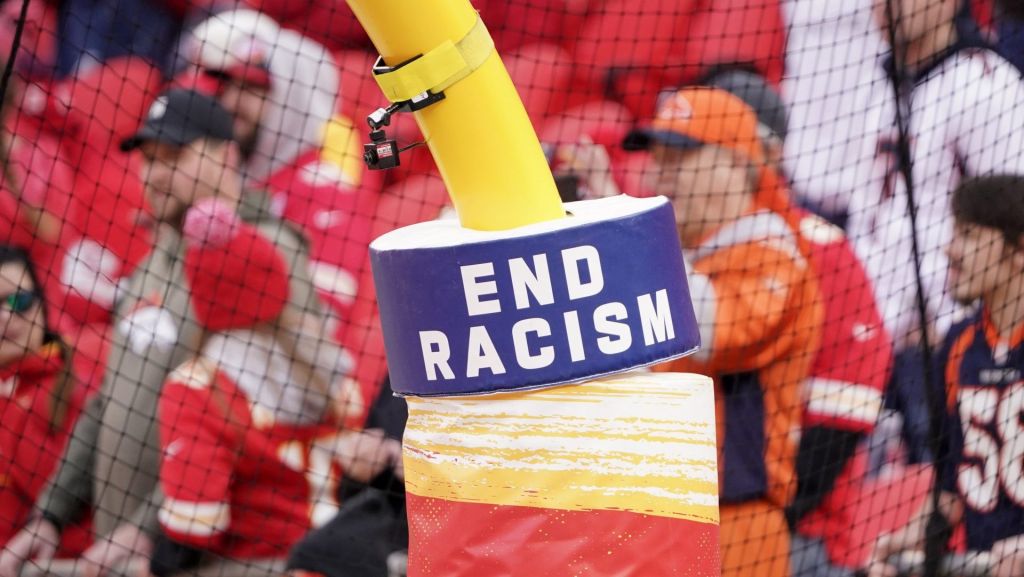
By Michael McCarthy
It’s the seventh season the league has used such messaging.
EventsVideoGamesShop

Written by Amanda Christovich

Edited by Meredith Turits, Catherine Chen

Update your email preferences or unsubscribe here

© 2026 Front Office Sports

460 Park Avenue South, 6th Floor
New York, New York 10016, United States

Subscribe To Our Daily Newsletters

  • This field is for validation purposes and should be left unchanged.