Also: Ted Cruz pleads PCSA’s case to House Democrats.  ‌ ‌ ‌ ‌ ‌ ‌ ‌ ‌ ‌ ‌ ‌ ‌ ‌ ‌ ‌ ‌ ‌ ‌ ‌ ‌ ‌ ‌ ‌ ‌ ‌ ‌ ‌ ‌ ‌ ‌ ‌ ‌ ‌ ‌ ‌ ‌ ‌ ‌ ‌ ‌ ‌ ‌ ‌ ‌ ‌ ‌ ‌ ‌ ‌ ‌ ‌ ‌ ‌ ‌ ‌ ‌ ‌ ‌ ‌ ‌ ‌ ‌ ‌ ‌ ‌ ‌ ‌ ‌ ‌ ‌ ‌ ‌ ‌ ‌ ‌ ‌ ‌ ‌ ‌ ‌ ‌ ‌ ‌ ‌ ‌ ‌ ‌ ‌ ‌ ‌ ‌ ‌ ‌ ‌ ‌ ‌ ‌ ‌ ‌ ‌

  Read online

READ IN BROWSER


Morning Edition

November 19, 2026

Powered By

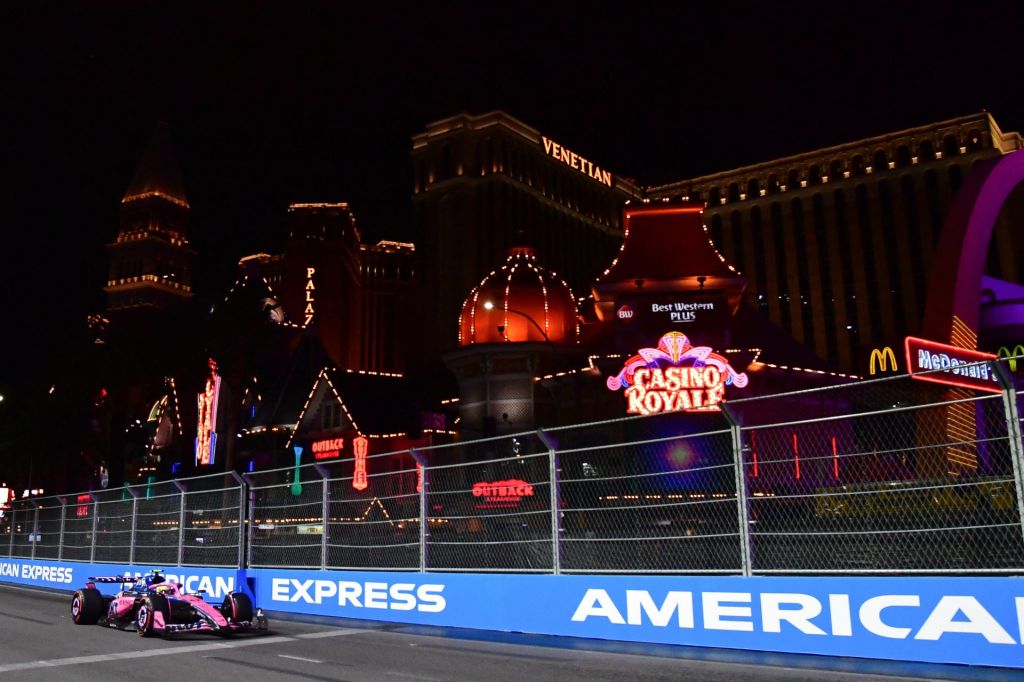
With the fourth iteration of the Las Vegas Grand Prix set to begin, organizers finally feel they are past the event’s early growing pains. The race’s late-night start and casino tie-ins have turned it into a spectacle or a “circus,” depending on who you ask. But Las Vegas GP president and CEO Emily Prazer tells Front Office Sports the race could be a model for other Formula One events, and city officials project this year’s GP to be more popular than last year’s. 

—Colin Salao

First Up

  • Sen. Ted Cruz is negotiating with House Democrats to save the Protect College Sports Act, sources told Front Office Sports.

  • Rob Manfred said MLB “will not compromise” on installing a hard salary cap and floor as baseball barrels toward a potential lockout on Dec. 1. 

  • Russia is fighting to regain its place in international hockey competitions, but Canada said it would deny Russian players visas to the World Junior Championship.

  • CBS Sports’s Jon Rothstein says NIL has improved college basketball’s on-court product—not caused empty seats.


F1’s Long-Term Vegas Bet Comes After Years of Growing Pains

F1’s Long-Term Vegas Bet Comes After Years of Growing Pains

Gary A. Vasquez-Imagn Images

The Formula One Las Vegas Grand Prix faced its fair share of growing pains in its first three years. But ahead of Year 4, the organizers are finally starting to settle in.

In an interview with Front Office Sports, Las Vegas GP president and CEO Emily Prazer says her team feels “much more comfortable” preparing for this year’s event Nov. 19–21. 

“We’ve had a few years to figure out how to close the roads and build this thing,” Prazer says. “So the funny thing about this year is just everybody’s finessing. It’s like we’re obsessing over the tiniest decisions that we never used to have time to obsess over.”

It’s a far cry from 2022, when organizers were given just 18 months to build the event that raced through the streets of Las Vegas. The process included acquiring land for and constructing a roughly 300,000-square-foot pit building.

When race weekend arrived in November 2023, it was clear the lack of time led to several compromises, most notably during Free Practice 1, when then–Ferrari driver Carlos Sainz Jr. hit a loose water-valve cover, significantly damaging his car. Esteban Ocon, then with Alpine, also hit the cover, and the session was stopped to repair the streets. 

FP1, which started at 8 p.m. local time, did not resume, and the repairs delayed FP2 from a midnight start to 2:30 a.m. Fans were asked to leave before FP2 started, which led to a class action lawsuit that F1 parent company Liberty Media settled for $3 million earlier this year. 

Manhole issues again cut FP2 short last year, but no cars were damaged.

Prazer stopped short of saying the manhole issues were over but says she is “feeling really good” about the logistics entering this year’s race.

“We have taken as much mitigation as possible to make sure that those types of things don’t happen,” she says. “But if they do, we’re very, very well prepared to react and fix them and communicate with our fans. And obviously, [we] learned significantly from the past on how to do that.” 

The previous years’ delays also put a spotlight on the late start time of all on-track events. During the first two years, the race started on a Saturday at 10 p.m. local time, which meant it was at midnight or later for half of the country. Races are also commonly held on Sundays worldwide.

Prazer told FOS in 2024 the late start was partly because of Las Vegas’s late-night market but also to appeal to audiences in Europe, the Middle East, and Asia. But start times for all practices and qualifying have since been moved up four hours compared to 2023, while the race was moved two hours earlier (8 p.m.) starting last year.

Prazer says the time changes have made for a “much better on-track experience.” 

Long-Term Home

Earlier this year, F1, with the backing of the Las Vegas Convention and Visitors Authority, signed an extension to keep the race in Las Vegas until 2037. All three U.S. races—Las Vegas, Austin, and Miami—will be on the F1 calendar until at least 2034.

But unlike any other race, F1 is incentivized to prioritize and invest heavily in the Las Vegas GP because it’s the only race on the calendar F1 promotes on its own. The other 23 races (cut to 22 this year after the Saudi Arabian GP was canceled) have outside promoters who pay F1 a hosting fee and take on the financial risk of organizing them. For example, the Miami Grand Prix is owned by Dolphins owner Stephen Ross.

F1’s strategy has been to turn the Las Vegas race weekend into a spectacle: from the late-night start time to activations with the many casinos on the Strip and the star-laden off-track events. But the “circus,” as Lewis Hamilton once described it, has led to mixed reviews from fans, teams, and drivers.

“I don’t like all the things around it anyway,” Red Bull driver Max Verstappen said ahead of the race in 2023. “I know of course in some places that is part of it, but let’s just say it’s not in my interest.” He described it as “a lot of fun” a few days later—following his race win.

But Prazer says F1 is satisfied with the commercial opportunities in Las Vegas and can use elements from the race weekend in other events, such as last February’s 75th-season launch event in London and a similar event in Milan next year. 

“It’s been highly, highly successful commercially from a fan engagement perspective for the penetration in the U.S. But it’s pushing us as Formula One to try things and do things differently,” Prazer says.

The Las Vegas GP financials haven’t been all sunshine and roses through the first three years, particularly in Year 2, after the initial shine had worn off. Liberty Media finance exec Brian Wendling said the 2024 race “did miss expectations, primarily on ticket sales” during the company’s Q4 2024 earnings call.

The company reported a bounceback last year, and LVCVA president Steve Hill told the Las Vegas Review-Journal earlier this week that this year’s event is on track to be the most in-demand edition since the inaugural race.

 
SPONSORED BY FIDELITY INVESTMENTS

We Know Crypto

Fidelity Crypto was built in-house with over a dozen years of crypto experience. So you can trade crypto and stocks in one place at Fidelity, backed by industry-leading security. Fidelity Crypto. We’re here to help you feel good about investing in crypto.

 
ONE BIG FIG

Pricing Formula

Lucas Peltier-Imagn Images

$646

The current get-in price in the resale market for a three-day pass to Formula One’s Las Vegas Grand Prix this weekend, which covers all practices, qualifying, and the race, according to TicketData. But fans interested in seeing the cars and drivers can attend Thursday’s session—which includes Free Practices 1 and 2—for as low as $48.

Ticket prices were a sore point during the first two years of the race. The three-day get-in price days before the inaugural 2023 event was nearly $1,500, per TicketData, which was actually down from nearly $2,000 earlier in the year. High prices led to weaker demand in 2024, forcing F1 to offer more affordable tickets in 2025, including single-day tickets starting at $50.

 
DAILY SPORTS TRIVIA

Can you rank the top five NHL players by highest career plus/minus?


LOUD AND CLEAR

Full Speed Ahead

Courtesy of Atlassian Williams Racing

“People are just lining up to find a way in. I probably get one or two calls, emails a week asking about what we are doing with the team.”

—Matthew Savage, chairman of Williams Racing, told Front Office Sports editor-in-chief Dan Roberts when asked about the market interest in acquiring a stake in a Formula One team. Savage’s private investment firm, Dorilton Capital, purchased the team in 2020 for $200 million, but it ballooned to $2.5 billion as of last year, according to Forbes. Savage has told FOS multiple times in the past year that he has no plans to sell the team, saying he sees the firm as “10-, 20-, 30-year owners.”

Despite the valuation growth, Savage said the team is “still losing money” and expects to only break even by 2028. But he added they have already added to their initial $200 million purchase after seeing rising valuations and the increased growth opportunities of F1.

 
SPONSORED BY FIDELITY INVESTMENTS

We Know Crypto

Fidelity Crypto was built in-house with over a dozen years of crypto experience. So you can trade crypto and stocks in one place at Fidelity, backed by industry-leading security. Fidelity Crypto. We’re here to help you feel good about investing in crypto.

 
YOUR MORNING LISTEN

Which ’24 QBs will get paid?, Tarik Skubal to the Mets?, NFL’s hottest and coldest tickets, and more

Listen Now >


More F1 From FOS

Albert Gea-Reuters

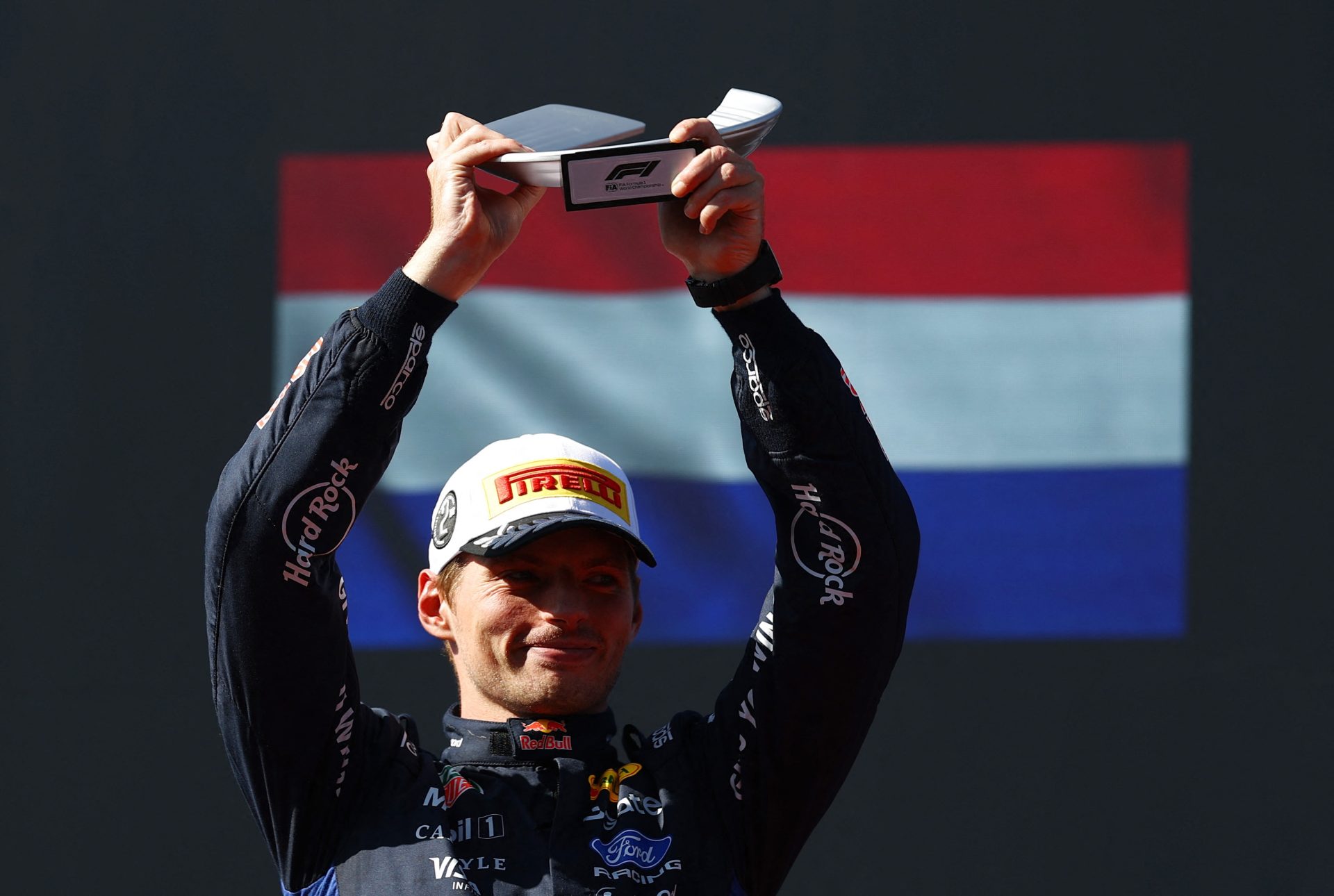
  • Red Bull’s turnaround came too late for four-time drivers’ champion Max Verstappen to snatch another title, but it has given him hope for 2027.

  • The governing body of F1 revoked a reporter’s credential for the rest of the season after he wrote a scathing column about Charles Leclerc.

  • F1 nixed a contingency plan to finish the season in Italy, choosing to push ahead with two races in the Middle East despite ongoing military conflicts.


Question of the Day

Will you be watching the Las Vegas Grand Prix?

YES
NO

Wednesday’s result: 79% of respondents think LeBron James will win his lawsuit against Bron AI.

AppTVEventsVideoGamesShop
 

Written by Colin Salao

Edited by Jeff Benson, Catherine Chen 


Update your email preferences or unsubscribe here

© 2026 Front Office Sports

460 Park Avenue South, 6th Floor
New York, New York 10016, United States

Subscribe To Our Daily Newsletters

  • This field is for validation purposes and should be left unchanged.