Also: New details about Jeanie Buss and Mark Walter’s side deal.  ‌ ‌ ‌ ‌ ‌ ‌ ‌ ‌ ‌ ‌ ‌ ‌ ‌ ‌ ‌ ‌ ‌ ‌ ‌ ‌ ‌ ‌ ‌ ‌ ‌ ‌ ‌ ‌ ‌ ‌ ‌ ‌ ‌ ‌ ‌ ‌ ‌ ‌ ‌ ‌ ‌ ‌ ‌ ‌ ‌ ‌ ‌ ‌ ‌ ‌ ‌ ‌ ‌ ‌ ‌ ‌ ‌ ‌ ‌ ‌ ‌ ‌ ‌ ‌ ‌ ‌ ‌ ‌ ‌ ‌ ‌ ‌ ‌ ‌ ‌ ‌ ‌ ‌ ‌ ‌ ‌ ‌ ‌ ‌ ‌ ‌ ‌ ‌ ‌ ‌ ‌ ‌ ‌ ‌ ‌ ‌ ‌ ‌ ‌ ‌ ‌ ‌ ‌ ‌ ‌ ‌ ‌ ‌ ‌ ‌ ‌ ‌ ‌ ‌ ‌ ‌ ‌ ‌ ‌ ‌ ‌ ‌ ‌ ‌ ‌ ‌ ‌ ‌ ‌ ‌ ‌ ‌ ‌ ‌ ‌ ‌ ‌ ‌ ‌ ‌ ‌ ‌ ‌ ‌ ‌ ‌ ‌ ‌ ‌ ‌ ‌ ‌ ‌ ‌ ‌ ‌ ‌ ‌ ‌ ‌ ‌ ‌ ‌ ‌ ‌ ‌ ‌ ‌ ‌ ‌ ‌ ‌ ‌ ‌ ‌ ‌ ‌ ‌ ‌ ‌ ‌ ‌ ‌ ‌ ‌ ‌ ‌ ‌ ‌ ‌ ‌ ‌ ‌ ‌ ‌ ‌ ‌ ‌ ‌ ‌

October 09, 2026   |   Read online

READ IN BROWSER

October 9, 2026

The NFL asked the U.S. Supreme Court this week to weigh in “as soon as possible” on whether prediction markets should be regulated by the CFTC—which they are now—or on the state level, as traditional sportsbooks are. The league says current rules fall “significantly short” of addressing risks around integrity, consumer protection, and market manipulation.

—Ben Horney


First Up

  • Jeanie Buss was given the right to remain alternate governor so long as she owned at least 5% of the Lakers, new filings reveal.

  • The NBA’s initial proposal to collaborate with EuroLeague has been rejected, in part because it undervalued EuroLeague. 

  • Agentiq offers pro athletes upfront cash in exchange for a percentage of their future on-field earnings.

  • Sen. Richard Blumenthal is putting prediction markets on notice amid scrutiny of FanDuel’s VIP program.


NFL Asks Supreme Court to Hear Prediction-Markets Case ‘As Soon As Possible’

NFL Asks Supreme Court to Hear Prediction-Markets Case ‘As Soon As Possible’

Kirby Lee-Imagn Images

The NFL asked the U.S. Supreme Court on Thursday to weigh in on the issue of sports event contracts offered by prediction markets and said it currently believes they should be regulated at the state, not federal, level. 

But a Supreme Court expert tells Front Office Sports that while the league’s amicus brief will carry some weight, it fails to adequately address the most pressing question: Why does the nation’s high court need to take this case up now?

“At the end of the day, the NFL’s brief really counts more because of who filed it and not because of what it says,” says the expert, who asked to remain anonymous because of the nature of their professional work.  

The NFL’s 24-page brief argues the court needs to act now because if it doesn’t, another season could pass with billions of dollars being traded on prediction markets. 

A league source tells FOS the filing “is not about the NFL opposing prediction markets.” Instead, it represents the “latest step in the NFL’s pro-integrity and consumer protection campaign, in a new forum [the Supreme Court] where the key decision may soon be made.”

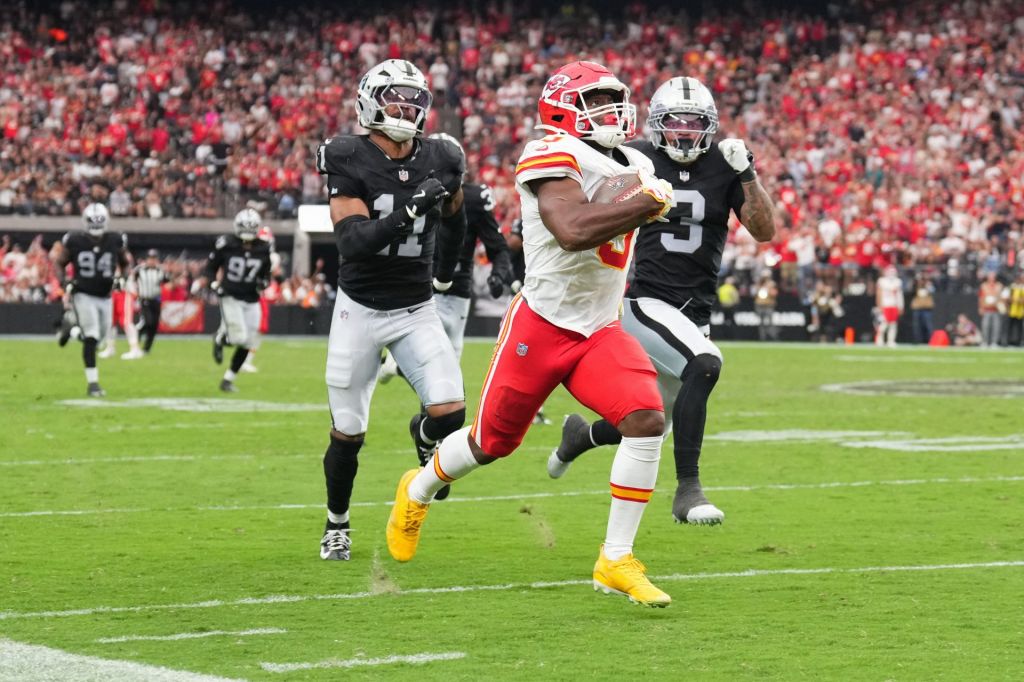
The NFL’s filing notes that on the first Sunday of this season alone, “more than half of all prediction-markets’ trading volume—$1.8 billion out of $3.3 billion total—related to the NFL.”

“Given this volume of trading and the uncertainty around it, it is critical for the Court to act as soon as possible,” the league source says.

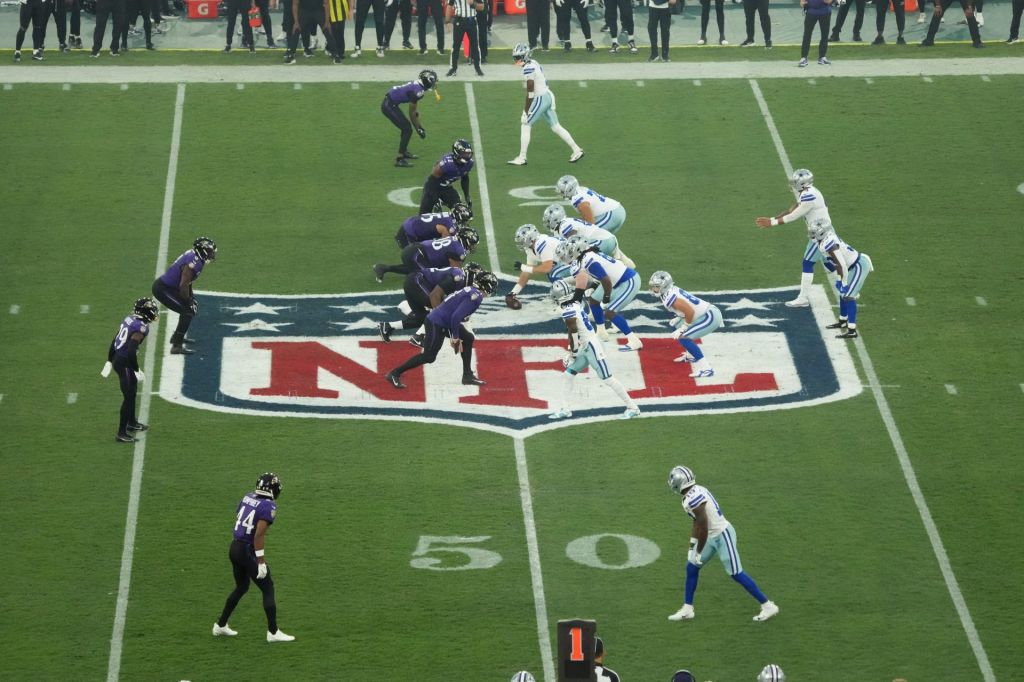
Unlike the NHL and MLB, the NFL has remained opposed to partnering with prediction markets—even as it has held talks behind the scenes with companies including Kalshi and Polymarket, as well as the Commodity Futures Trading Commission (the federal regulator that oversees the prediction-market industry). 

The league’s brief was filed to the Supreme Court after New Jersey asked it to take up the issue last month. New Jersey asked the Supreme Court to hear the case after two different appeals courts ruled differently on whether states can enforce their sports betting laws against prediction-market platforms, which caused what is known as a circuit split. Attorneys general for 39 states and the District of Columbia filed their own amicus brief in support of New Jersey, as did a coalition of 145 tribal nations and organizations.

The new filing reiterates many of the concerns the NFL has previously expressed, including its view that there are stronger safeguards in place for traditional sports betting, which is regulated on a state-by-state basis. The league also says the CFTC’s rule proposal to govern the industry falls “significantly short” of addressing risks around integrity, consumer protection, and market manipulation. 

Further, the brief questions whether the CFTC has adequate resources or staff to properly regulate the industry, and it says the NFL is concerned about the fact that some prediction markets, including Kalshi and Polymarket, allow users as young as 18 to trade on sports (most states with legalized sports betting require users to be at least 21).

A CFTC spokesperson tells FOS that “since day one” it has “engaged with the NFL” as the agency has sought to propose new prediction-market rules. “It’s unfortunate the NFL declined” to sign a memorandum of understanding with the CFTC, “which would’ve provided the league the ability to better discuss, cooperate, and exchange information with us to promote the integrity and resilience of prediction markets.”

According to the NFL, if the CFTC and federally regulated exchanges “were to adopt the same robust safeguards and engage in the same vigorous oversight as state and tribal gambling regulators and traditional legalized sports betting operators, then there might be less cause for concern.”

“But that is not what is happening,” the brief says. It criticized what it called a “laissez-faire approach to regulation by the industry.”

A Kalshi spokesperson tells FOS the company’s “top priority is the integrity of its markets.

“That priority is reflected in the fact that every other major sports league and integrity partner in the United States is partnering with Kalshi—including the MLB, NHL, and others,” they say (the NBA has also not yet embraced prediction markets, although it’s expected to soon).

“Contrary to the NFL’s statements, the CFTC is actively policing sports-related markets, which are now listed on nearly every US commodities exchange,” Kalshi says.

A Polymarket spokesperson says the company “shares the NFL’s commitment to preserving the integrity of the game, which is why we are constantly enhancing our own market surveillance tools while actively collaborating with the CFTC, SEC, and other professional leagues toward a harmonized federal framework that delivers stronger, more consistent forms of integrity compared to a fragmented patchwork of state laws.”

When Will SCOTUS Take Up the Case?

The Supreme Court expert says there’s no way to know for sure when the Supreme Court may agree to hear this case, but they expect it to be January at the earliest. However, there’s no guarantee it will be even that soon. Kalshi’s response in the case is due Nov. 9, and the Supreme Court may call for the Solicitor General to weigh in, which is something that “could drag things out for months,” the expert says.

“In order for the court to take this up this term, everything would need to move for the Supreme Court at an almost lightspeed pace,” they say.

Even if the court does take up the case in January, it could still be a long time before a decision is reached. “This could still get punted to 2028,” the expert says.

NFL writer Mark Maske contributed to this report.


DEAL FLOW

Everyone Wants to Own a Soccer Team: SGA Edition

Alonzo Adams-Imagn Images

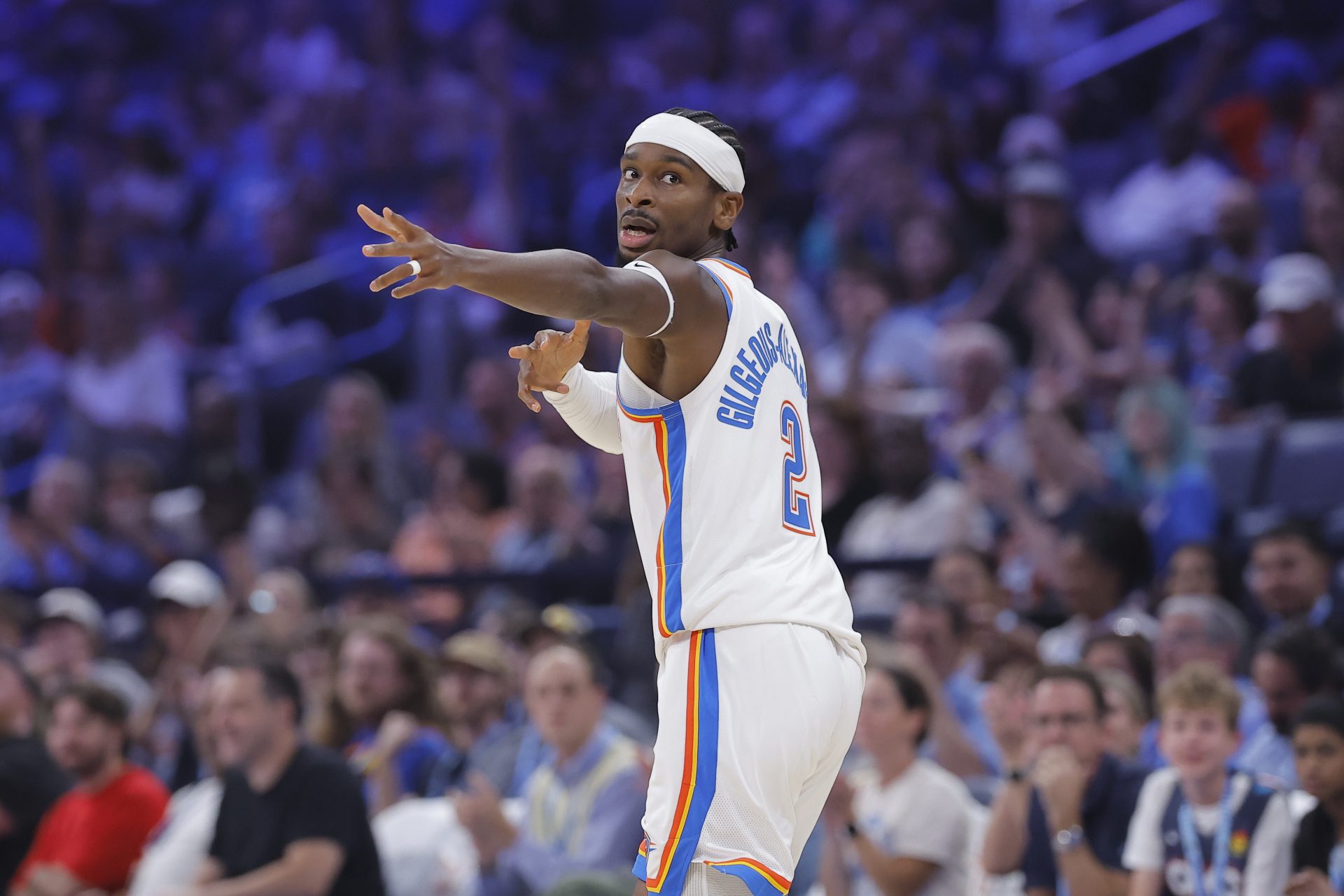
  • Thunder star Shai Gilgeous-Alexander is investing in Atlético de Madrid, which plays in Spain’s LaLiga. The back-to-back NBA MVP joins Apollo Sports Capital, which purchased a majority stake in the club in November. Apollo also owns a minority stake in Wrexham, recently agreed to invest $2.6 billion in the Yankees, and has expressed interest in the NFL.

  • The Golden State Storm of the Women’s National Football Conference have five new minority investors, including 20-year CIA veteran Kevin Bae and former KPMG executive Tim Zanni. The Storm, who debuted last season, made waves as the top-performing franchise by revenue in the women’s tackle football league. The league launched in 2019 and features 16 teams.

  • Premier League soccer club Crystal Palace is reportedly seeking outside investment at a valuation of nearly $1.2 billion. The team has hired Raine Group to assist with the process, and it was not clear what size stake may be up for grabs. The news comes after embattled multiclub soccer owner John Textor sold his 43% stake in Crystal Palace to Jets owner Woody Johnson last year.


Editors’ Picks

 
Buss Siblings: Jeanie Has No Legal Power to Block Sale of Lakers Stake  

Buss Siblings: Jeanie Has No Legal Power to Block Sale of Lakers Stake

By Ben Horney
Jeanie is acting purely out of self-interest, her siblings say.
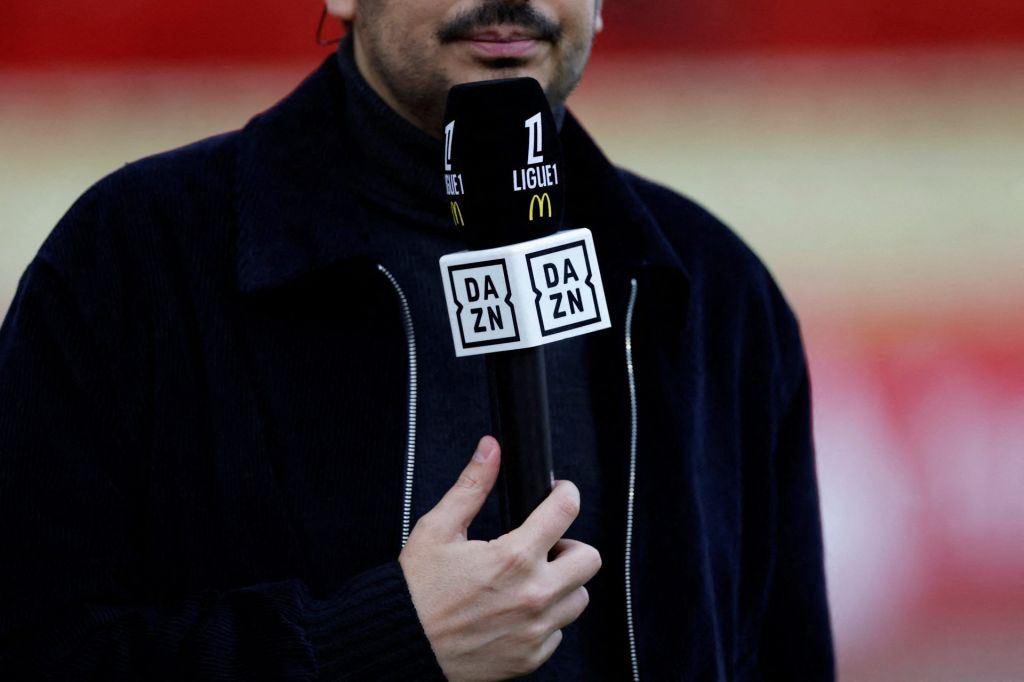
Once Focused on Combat Sports, DAZN Expands to MLB, NBA Teams  

Once Focused on Combat Sports, DAZN Expands to MLB, NBA Teams

By Eric Fisher
The streamer has quickly amassed a large collection of team rights.
Sports Is Key to Skydance Becoming ‘Leading Content Engine’   

Sports Is Key to Skydance Becoming ‘Leading Content Engine’ 

By Eric Fisher
The company’s co-CEOs spent Day 1 meeting with employees and press.
AppTVEventsVideoGamesShop
 

Written by Ben Horney

Edited by Lisa Scherzer, Catherine Chen


Update your email preferences or unsubscribe here

© 2026 Front Office Sports

460 Park Avenue South, 6th Floor
New York, New York 10016, United States

Subscribe To Our Daily Newsletters

  • This field is for validation purposes and should be left unchanged.